| |
|
|
| |
Mira Mar Veterinary Hospital
|
|
| |
|
|
| |
|
|
| |
|
|
|
|

|
| |
Happy New Year 2026!
|
|
| |
|
|
| |
Hello everyone and welcome to our first newsletter for 2026!
It's been a very busy summer so far at Mira Mar Vets, with local and visiting animals needing our attention over the holiday period. We hope you all had a lovely relaxing break and that your pets behaved themselves!
This edition covers some cute puppies and some interesting articles on animal behaviour. We hope you enjoy reading! |
|
|
|

|
| |
Puppy Preschool December 2025
|
|
| |
|
|
| |
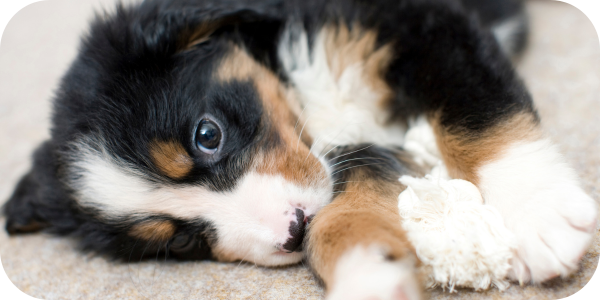
Puppy Preschool finished for 2025, with a great group of little legends who passed with flying colours!
Congratulations to Buddy, Emmy, Kelsie, Mack and Millie for finishing off our year so well and with such cuteness.
Nurse Jodie, our expert puppy wrangler, is taking a well-earned break over the school holidays. Puppy Preschool will return in February, so if by then you have a puppy aged between 8 and 16 weeks that you would like to add to our February class, please give the clinic a call on 9841 5422. |
|
| |
|
|
| |
Call Now
|
|
|
|

|
| |
Have you seen your pet suddenly collapse?
|
|
| |
|
|
| |
Episodes of collapse in pets can occur due to many short or long term health conditions or injuries. While some of these issues can potentially be life-threatening, prompt veterinary treatment will maximise the chance of a good outcome for your pet.
Here’s more information about conditions that can cause weakness, fainting, or an inability to walk in dogs and cats.
What are some potential causes of an inability to walk in pets?
Common causes of weakness or a physical inability to walk include:
- Illnesses causing significant dehydration and reduced blood flow, e.g. severe untreated gastroenteritis
- Traumatic incidents causing severe injuries and/or blood loss, such as being hit by a car
- Flare-ups of certain musculoskeletal conditions, such as a prolapsed spinal disc compressing the spine, or severe arthritis
- Toxins such as snake bites or tick paralysis
What are some potential causes of “fainting” in pets?
Altered consciousness or a loss of consciousness in pets can occur secondary to:
- Illnesses causing low blood sugar, such as large intestinal parasite burdens in puppies or kittens
- A neurological event, such as a seizure
- Syncope (fainting due to a lack of blood flow to the brain), which can be caused by heart disease or respiratory disease
- Heatstroke
- Head trauma causing brain swelling
- Episodes of anaphylaxis (a severe allergic reaction), e.g. after a bee sting
- Choking
What should I do if my pet has collapsed or appears unable to walk?
If your pet ever collapses or appears unable to walk, it’s strongly recommended that you seek emergency veterinary assessment. Ideally, phone the veterinary clinic on your way, so that they can prepare for your pet’s arrival.
When moving your pet, it’s safest to gently wrap them in a thick towel or blanket, as even placid pets may lash out if they are in pain or feeling confused.
For more advice on urgent care for pets, consult our emergency-experienced team. |
|
|
|
|
| |
Understanding anxiety in dogs
|
|
| |
|
|
| |
Is your dog just highly-strung? Or are they suffering from anxiety?
Here’s an overview of anxiety in dogs, including potential causes and symptoms to monitor for.
Is my pet just highly-strung, or are they anxious?
Just like people, some dogs are naturally more highly-strung than others, which can manifest as them being “jumpier” about unexpected noises or handling.
Anxious dogs show more significant stress, which may be specific to a certain situation (such as vet visits or grooming), or more generalised (e.g. triggered by any new person or unfamiliar situation). In these cases, rather than just getting a bit startled and then recovering and being fine, there is a more significant impact on the pet’s mental state.
Why do some dogs develop anxiety?
Some pets have a genetic predisposition to being anxious, with the offspring of anxious parents being more likely to show this issue themselves. However, anxiety in dogs can also develop due to either actual negative or traumatic experiences, or simply a lack of positive experiences to help build their confidence during their “critical socialisation period” (from about 3 weeks to 16 weeks of age).
Many owners report that their pet didn’t seem as anxious as a puppy or kitten, and the issue seemed to worsen later on. This can be because anxiety can become more pronounced as a pet mentally matures (which usually occurs at around 1-3 years of age).
What symptoms will anxious pets show?
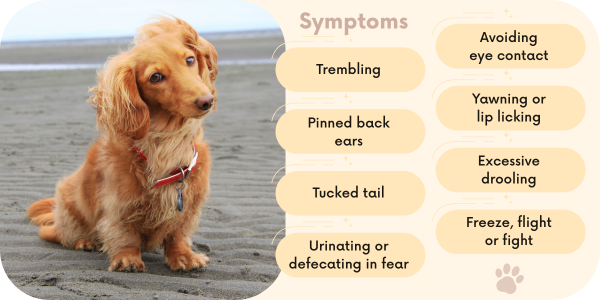
When exposed to their particular anxiety trigger, affected dogs may show symptoms including:
- Trembling
- Avoiding direct eye contact
- Excessive drooling
- Pinned back ears
- Yawning or lip licking
- A tucked tail
- Urinating or defecating in fear
- A freeze, flight or fight reflex (i.e. becoming very still and tense, trying to escape the perceived threat, or trying to drive the threat away with aggressive behaviours such as growling or snapping)
If you notice your dog demonstrating these symptoms in routine situations where you’d want them to be OK (e.g. nail clips or visits from family), it’s a good idea to seek help from our veterinary team. |
|
|
|
|
Runny eyes in little dogs
|
|
|
| |
While any pet can develop a runny or goopy eye, these issues tend to be more prevalent in small breed dogs. Why?
In this article, we’re going to take a look at some of the more common causes of weepy eyes in small dogs.
What causes runny eyes?
A noticeably weepy eye (a symptom known as epiphora) generally occurs due to eye irritation causing increased tear production, or a problem with tear drainage (with the normal pathway running from the inner corner of the pet’s eye, down through the nasolacrimal duct and into the pet’s nose).
Common eye problems seen in little dogs that can cause increased tear production include:
- Corneal ulcers or scratches (damage to the clear “window” portion of the eyeball due to trauma)
- Long facial hairs draping into the eye and causing irritation
- Abnormally placed eyelashes rubbing against the eye
- In brachycephalic breeds, the eyelids not completely closing over the prominent eyeballs (even during sleep), leading to exposure irritation
|
|
|
| |
Common eye issues in small breeds that can reduce effective tear drainage include:
- Abnormally shallow eye sockets (which is common in breeds with more prominent eyes, such as brachycephalics, Poodles and Bichon Frise), which allow tears to spill out more easily
- A blocked nasolacrimal duct, which some small dogs are born with or may develop after a previous infection or injury
Does my pet require treatment?
Any pet who suddenly develops a runny eye that lasts more than an hour or two should be examined, particularly if there are any other symptoms of eye irritation such as redness, squinting, discomfort, or abnormal goopy discharge.
If your pet has had runny eyes for a long time (which may lead to brownish staining of the fur beneath their eyes), it’s also worth having them assessed, as there may be an underlying issue that we can fix!
For more information on eye health in your pet, consult our focused team! |
|
|
|
|

|
| |
Nailing your pet’s manicures
|
|
| |
|
|
| |
Many dogs need their nails trimmed regularly to prevent overgrowth. But what should you do if your pet develops a phobia about nail trims?
Here are the Dos and Don’ts of calm nail trims for dogs.
First of all, let’s start with the Don’ts:
- If you’re not sure how to safely trim a dog’s nails to avoid the quick (the sensitive inner component that hurts and will bleed if cut), don’t try to clip your pet’s nails on your own! It’s best to consult our team for a tutorial on the proper technique.
- If your dog is scared of nail trims to the point of having panicked or aggressive responses, don’t overpower them to force a trim. You may achieve your goal in the short term, but they will just be even more resistant to future trims, and some pets may escalate to the point where you can no longer safely perform nail trims or other similar handling procedures on them at all. Instead, consult our team on other fear-free options (and check out the Dos below!)
Here are the Dos for happy nail clips:
- To help set young pups up for success, train them to feel comfortable with general grooming and veterinary-type handling during their critical socialisation period (between about 3-16 weeks old). This means daily positive sessions where you touch all over their body (including looking in their mouth, putting nail clippers near their paws, checking their ears, etc). Take it slowly at the start and build up gradually as your pup gains confidence, making sure to praise calm behaviour and reward them frequently with tasty treats!
- Make nail trims as pleasant as possible for your pet with a tasty distraction (such as a Lick-Mat covered with peanut butter or cream cheese stuck to a surface your pet can reach) or by feeding regular treats during the process.
- If your pet seems nervous about nail trims, consult our team about options for helping them cope. This may include the use of temporary anti-anxiety medications and/or behavioural modification techniques. Some dogs may also be trained to use scratch boards to help maintain their front nails (which they are often more nervous about).
|
|
|
|
|
| |
Why is my cat going bald?
|
|
| |
|
|
| |
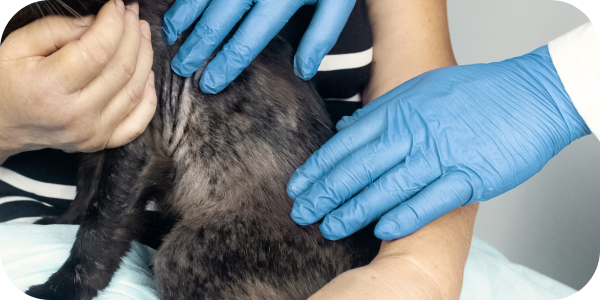
Unless your cat is a hairless breed like a Sphynx, it’s not normal for them to have bald spots!
Here's what can cause excessive hair loss in cats, and how we can get the drop on whatever’s causing their issue.
What are some common causes of bald patches in cats?
If your cat is developing bald spots, it’s most likely due to an issue that is causing their hair to fall out excessively, or something that is triggering them to overgroom themselves. Normal shedding should not lead to bald patches (even though it may look as though you could construct another cat out of all the fur your pet drops!)
Cats can lose patches of hair secondary to problems that cause significant skin inflammation, such as bacterial infections, fungal infections (such as ringworm), and tumours affecting the skin.
More commonly, cats are triggered to overgroom themselves (breaking off or pulling out patches of hair in the process) due to:
- Itchy skin problems such as flea allergy dermatitis (an allergy to flea bites), environmental allergies or food allergies
- Behavioural problems, including anxiety or obsessive-compulsive disorders
How can we diagnose what is causing a cat’s skin problem?
We can often prioritise a list of the most likely causes based on a cat’s history and initial physical examination. For example, a cat who is not on an effective flea prevention routine and has scabby bald patches around their bottom and head is most likely to have flea allergy dermatitis!
However, in some cases, we may need to recommend further testing to clarify the cause of a cat’s skin problem. This may include:
- A hypoallergenic dietary trial
- Microscopic assessment of skin scrapings or hair samples
- Skin biopsies
If your pet develops any unusual skin lesions, bald patches or lumps, we’d recommend getting the skinny from our knowledgeable veterinary team! |
|
|
|

|
| |
In the Northern Territory, a pair of clever pet dogs nudged open a door and let their neighbour’s bull and horse explore the living room while their owner was out. Click here to read the full story at ABC News.
Murdoch University veterinarians say diseases including cancer, diabetes and endocrine disorders are increasing in dogs and cats, with some conditions that were rare decades ago now appearing more often. Click here to read the full story at Murdoch University.
Do you know?
Cats are usually considered senior from around 10 years old, while some dogs reach this stage as early as 6. Early care is key to helping them age more comfortably. |
|
|
|
|
| |
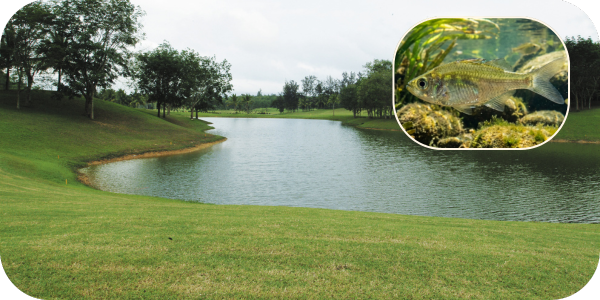
Golf course wetlands give extinct native fish a second chance
|
|
| |
|
|
| |
A tiny native olive perchlet fish, extinct in South Australia for more than 40 years, has been reintroduced using wetlands at Glenelg Golf Club as a new breeding site. Conservation scientists say the permanent, predator-free wetlands offer clean water and safe habitat, allowing hundreds of fish to breed with hopes of restoring the species to other wetlands in the future.
Click here to read the full story at ABC News. |
|
|
|
| |
This email contains comments of a general nature only and is not intended to be a substitute for professional veterinary advice. Please always consult your vet for specific advice on your pet's individual needs.
All content © Petpack 2025 |
|
|
|
[Footer]
|