| |
|
|
| |
Mira Mar Veterinary Hospital
|
|
| |
|
|
| |
|
|
| |
|
|
|
|
|
| |
February Newsletter
|
|
| |
|
|
| |
Hi everyone and welcome to our February newsletter!
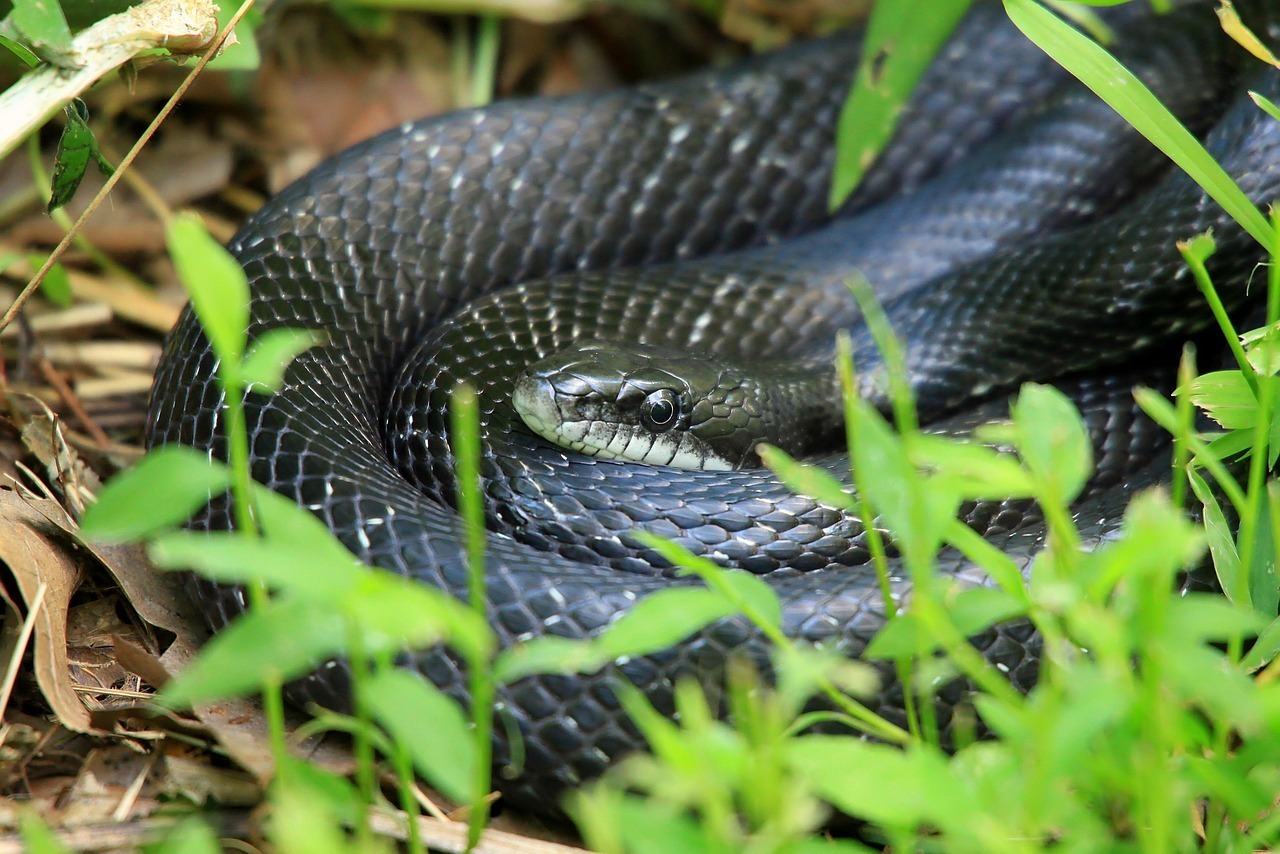
January was a very busy month at the clinic, with both visiting and local pets requiring our care and attention. Please be mindful of snakes and grass seeds, as we are still seeing plenty of animals affected by both of these summer problems.
We have some exciting clinic news to announce this month, as well as some really interesting articles on some of the more 'silent' diseases that can affect your pet without too many outward signs.
We hope you enjoy reading! |
|
|
|

|
| |
Congratulations Ellie!
|
|
| |
|
|
| |
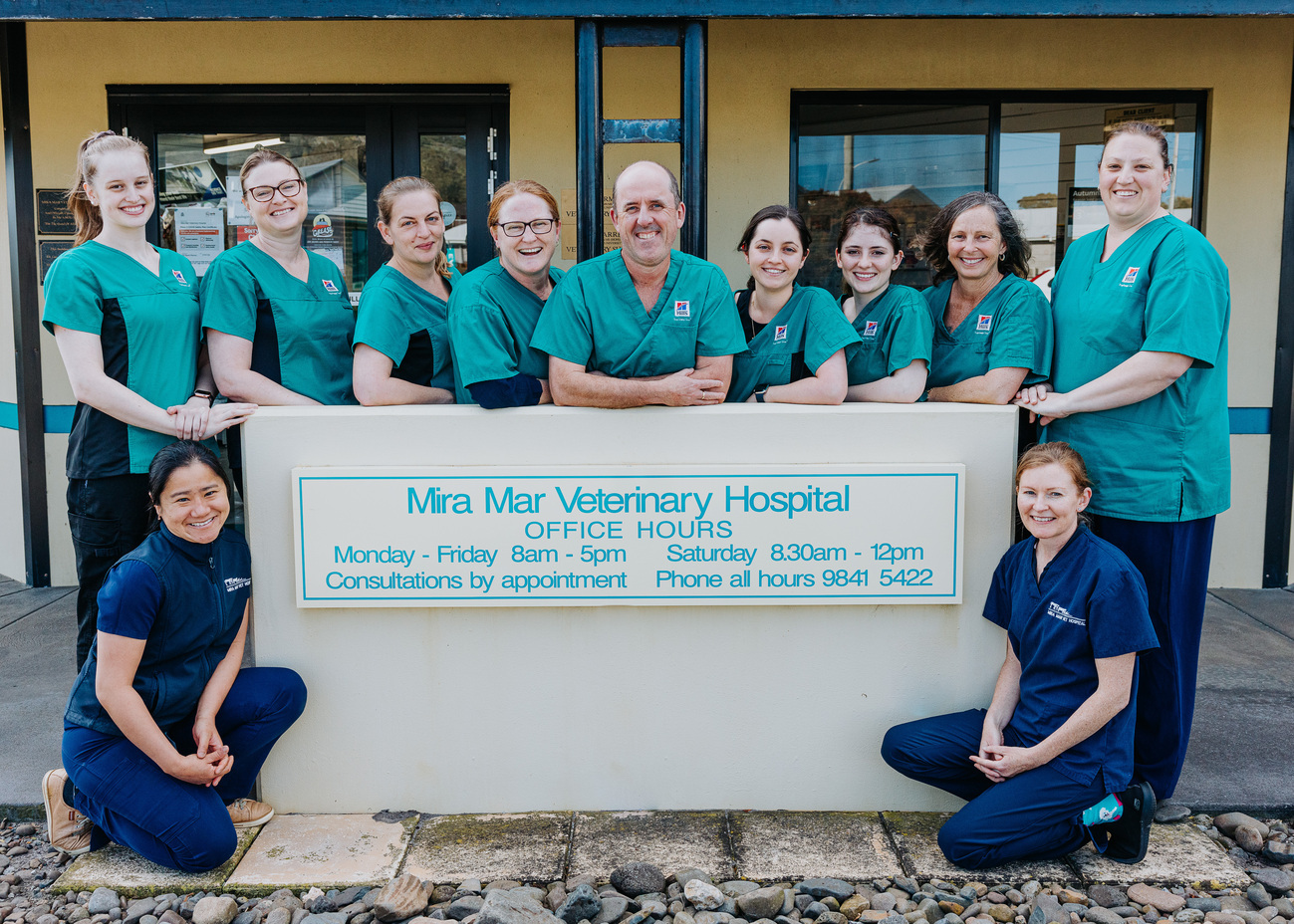
s many of you know, Ellie has been a long-standing member of the Mira Mar Vets family, joining the clinic as a veterinary nurse in early 2018. She grew up in Albany, and came back here after an exciting career in a number of busy vet practices in Sydney.
In 2022, Ellie was promoted to our Head Veterinary Nurse position, and in 2024, she took 12 months sabbatical to travel and spend time with her family. Upon her return to Albany, we were thrilled to welcome Ellie into the world of veterinary practice ownership, with her purchasing a share in the clinic at the end of 2025. Congratulations Ellie!
We look forward to many more years of continued fine veterinary care of your pets with Jim, Sara and Ellie at the helm and welcome the exciting opportunities that this new ownership will bring. |
|
|
|
| |
Did you know that your pet’s gums provide an indication of their overall hydration and cardiovascular health?
Here’s the “How To”, and what any abnormal findings could mean.
How to check your pet’s gums
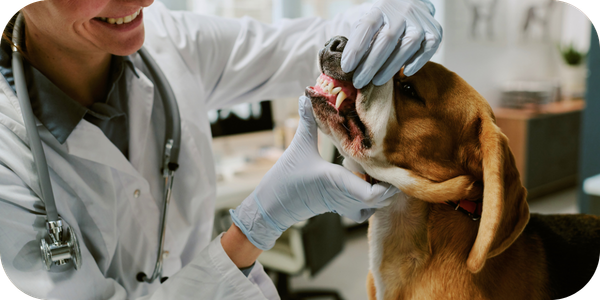
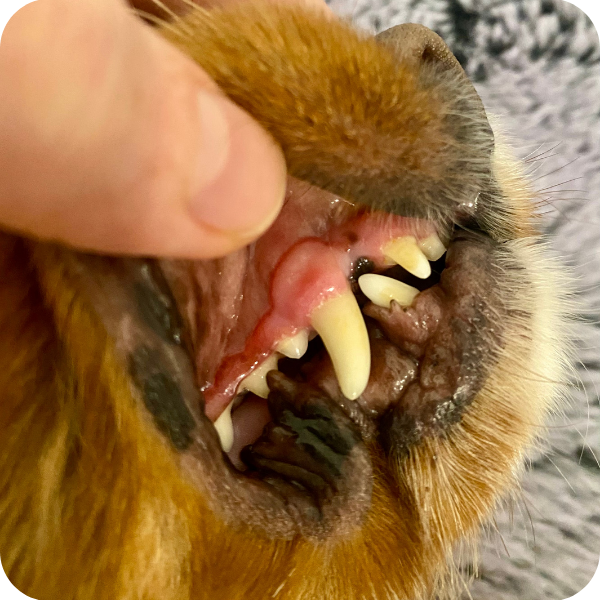
To check your pet’s gums, gently lift their upper lip in the region of their whiskers, so you can see the gum area just above their upper canine tooth. |
|
|
|
| |
You can then check:
Gum colour
- Normal dog gum colour ranges from bubblegum pink to salmon pink
- Normal cat gum colour is usually salmon pink to pale pink.
- Some pets also have areas of dark grey-black pigmentation - provided this pigmentation is flat and smooth, it’s likely normal.
- Pale/white gums can indicate:
- Reduced blood flow (which can be due to issues such as severe dehydration, heart disease, or blood loss)
- Reduced red blood cell levels (anaemia)
Gum moistness
- Healthy gums will usually feel moist and slippery.
- Tacky (sticky) or dry gums could indicate that your pet is dehydrated.
- Gums coated with lots of saliva could indicate that your pet has just eaten or drunk, or is feeling nauseous (which causes them to drool more).
Capillary refill time (CRT)
- You can check your pet’s CRT by gently pressing their gum to make a small area blanch (turn white). The CRT is the number of seconds it takes the blanched area to return to its previous colour (usually 1-2 seconds).
- A CRT less than 1 second can indicate inflammation or early shock, whereas a CRT more than 2 seconds can indicate reduced blood flow.
If you have any concerns about your pet’s general health, contact our health-conscious team. |
|
|
|
|
| |
Big dogs, big hearts
|
|
| |
|
|
| |
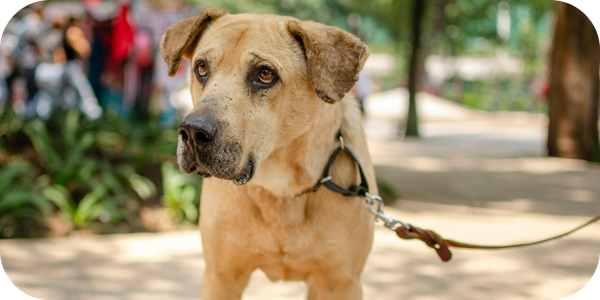
Did you know that larger breed dogs can be more prone to developing certain heart problems?
Here’s more about heart problems in big dogs, including symptoms to watch for, how they’re diagnosed, and how we can help.
What heart problems are larger dogs more prone to?
Large and giant breed dogs can be more prone to developing two heart conditions: Dilated cardiomyopathy (DCM) and pericardial effusion.
Dilated cardiomyopathy is when the heart muscle becomes thin and weak.
Pericardial effusion is an abnormal accumulation of fluid between the heart and the pericardium (the thin membrane sac that surrounds the heart). As fluid accumulates in this space, it presses down on the heart.
Both these conditions result in the heart losing the ability to effectively pump blood around the body.
What symptoms can affected pets show?
Dogs with DCM or pericardial effusion usually present with acute (sudden) unwellness, but they may also develop symptoms more gradually.
Affected pets often present after a sudden fainting, weakness or collapse episode, and they may have pale gums and breathing difficulties.
However, some pets also show more gradual or non-specific unwellness symptoms, such as lethargy, coughing, becoming puffed easily, vomiting or a swollen tummy.
Unfortunately, a small percentage of affected dogs may suffer sudden death without showing any obvious prior symptoms.
Can these pets be treated?
Once a diagnosis is confirmed - which usually requires chest x-rays and ultrasound, and potentially specialist heart ultrasound or ECG assessment - pets can receive treatment. This may include:
- Emergency ultrasound-guided drainage of any pericardial fluid
- The administration of appropriate heart and cardiovascular medications, including medications to support heart function, manage any arrhythmias or clear excess fluid from the lungs
- Oxygen supplementation
For more information on at-risk breeds and potential heart health screening options, consult our cardiac-competent team. |
|
|
|
| |
To proactively monitor your pet’s health, it’s recommended that they undergo a full health check at least every 12 months. If they’re a senior (which is 7-8+ years in larger dogs, and 9-10+ years plus in smaller dogs and cats), they should ideally be checked every 6 months.
During routine checks, we often pick up issues such as dental disease, lumps, arthritis and heart murmurs, allowing us to offer more timely treatment to support your pet’s overall health and comfort. However, we can also offer routine blood tests, urine tests, and blood pressure checks to help detect those more invisible internal health issues – just like in people!
Here are a few “hidden” health issues that we commonly detect with routine diagnostic testing.
Chronic kidney disease
Chronic kidney disease (CKD) is relatively common in senior pets, particularly in cats, affecting up to 40% of cats over the age of 10 and 80% of cats over the age of 15.
In the earlier stages of CKD, affected pets will usually show no obvious outward symptoms. However, they will start to show telltale changes on routine blood and urine tests.
Early detection of CKD allows us to start |
|
|
| |
supportive treatment earlier, which can slow progression of the disease and keep pets feeling well for longer.
Hypertension
Hypertension (high blood pressure) in pets usually occurs secondary to other health issues, such as kidney disease or hormonal imbalances (e.g. Cushing’s disease and hyperthyroidism), so is more common in middle-aged to older pets.
Unfortunately, without blood pressure checks, hypertension can fly under the radar until it potentially causes irreversible damage to your pet’s eyes, heart and kidneys.
Liver disease
While some cases of liver disease come on rapidly (e.g. after exposure to a toxin), other cases can simmer away gradually; a condition known as chronic hepatitis. This can lead to gradual liver scarring and reduced liver cell function.
Routine blood tests can help pick up liver parameter elevations in the earlier stages of disease, allowing us to investigate the underlying cause and treat your pet sooner.
To discuss options for proactive health monitoring in your pet, contact our helpful team. |
|
|
|
|
|
| |
Heart disease in cats
|
|
| |
|
|
| |
Did you know that heart disease in cats tends to present quite differently from that in dogs?
The most common canine heart disease (myxomatous mitral valve disease or MMVD, i.e. a leaky heart valve) tends to be reasonably straightforward to diagnose, as affected dogs will usually:
- Develop a heart murmur (an abnormal heart sound that can be heard with a stethoscope)
- From the moderate stages, start to show “classic” symptoms of heart disease, such as coughing or reduced exercise tolerance
- From the moderate stages, they start to show changes in their heart shape and size on chest x-rays
In cats, the most common heart disease is hypertrophic cardiomyopathy (HCM), which involves progressive thickening of the heart wall muscle, so that the heart becomes less and less able to effectively fill with blood.
Unfortunately, HCM can be a little trickier to diagnose. This is because:
- Listening to a cat’s heart with a stethoscope is not a sensitive tool for diagnosing heart disease, as up to 70% of cats with an audible heart murmur have an “innocent” murmur (i.e. a murmur that is not a sign of actual disease), and some cats with HCM may not have a murmur at all!
- Cats almost never cough with heart disease
- Many cats with heart disease will not show any obvious symptoms until they become severely affected, when they may suddenly develop breathing difficulties or other unwellness related to the formation of blood clots around their body
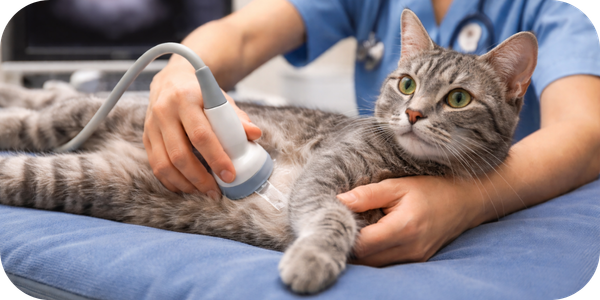
For this reason, it’s recommended that any cat showing abnormal breathing (such as an increase in their resting breathing rate of more than 35 breaths per minute) undergo an urgent veterinary assessment. Depending on their specific case, they may be recommended to undergo blood tests, chest x-rays, or a potential referral for echocardiography (heart ultrasound).
If you have a feline friend with a breed-related predisposition to heart disease, such as a Maine Coon, British Shorthair, Ragdoll or Sphynx, have a chat with our veterinary team about options for heart health monitoring. |
|
|
|

|
| |
A rescue dog is helping researchers locate koala droppings in Queensland, giving scientists a low-stress way to monitor koala populations and their health. Read the full story at ABC News.
A Tasmanian family has been reunited with their dog after recognising her in a blurry social media photo, nearly four years after she went missing and was later found living in the bush. Read the full story at ABC News.
Do you know?
Flat-faced breeds, older dogs and thick-coated dogs can struggle more with heat. On very hot days, leaving the air conditioning on is a good option to help keep them comfortable. |
|
|
|

|
| |
Rare koala sighting recorded near Canberra
|
|
| |
|
|
| |
A wild koala has been captured on a motion-sensor camera at a wildlife sanctuary near Canberra, marking the first confirmed live sighting in the region since late 2024. Conservation experts say the rare footage highlights the importance of protecting small habitat areas, which can still provide safe refuge and movement corridors for endangered species. Read the full story at ABC News. |
|
|
|

|
| |
Pete’s polydipsia
|
|
| |
|
|
| |
This case example is for educational purposes. Names and details are fictional.
Pete the 12-year-old Maltese x Poodle seemed to be drinking A LOT. But as the weather had been hot, his owner Courtney initially didn’t think too much of it.
However, when Courtney realised a few days later that Pete was waking up at night to drink large amounts, even when it wasn’t that warm, she started to feel like something could be up.
Courtney phoned her local veterinary clinic to book an appointment, and two days later, took Pete along to see his regular vet for an assessment of his polydipsia (increased drinking).
On questioning about Pete’s activities, Courtney told the vet that Pete’s always hearty appetite was unchanged, but he did seem like he’d been panting more (which she had initially attributed to the weather).
The vet discussed potential reasons for a senior dog to drink more than usual, such as kidney disease, liver disease, or hormonal imbalances such as diabetes or Cushing’s disease. She advised starting off diagnostics with a general assessment of Pete’s organ health, through blood pressure measurement and blood tests.
Pete’s blood pressure was normal, but his blood tests showed a few abnormalities, most notably some significant elevations in his liver parameters. The vet advised that this could fit with a primary liver issue, but could also indicate Cushing’s disease – a hormonal imbalance involving the excessive production of cortisol within the body, which can affect the liver and other organs.
It was advised for Pete to be booked for a day in hospital to undergo an ACTH stimulation test (a blood test that can screen patients for Cushing’s disease), as well as sedation for an abdominal ultrasound to check his liver and adrenal glands (the site of cortisol production in the body).
Pete’s results confirmed a diagnosis of Cushing’s disease, so he was recommended to start on a long-term medication to help control his symptoms. Pete’s polydipsia has resolved, and he seems more like his normal self again, though still definitely enjoys his tucker! |
|
|
|
| |
This email contains comments of a general nature only and is not intended to be a substitute for professional veterinary advice. Please always consult your vet for specific advice on your pet's individual needs.
All content © Petpack 2026 |
|
|
|
[Footer]
|