| |
|
|
| |
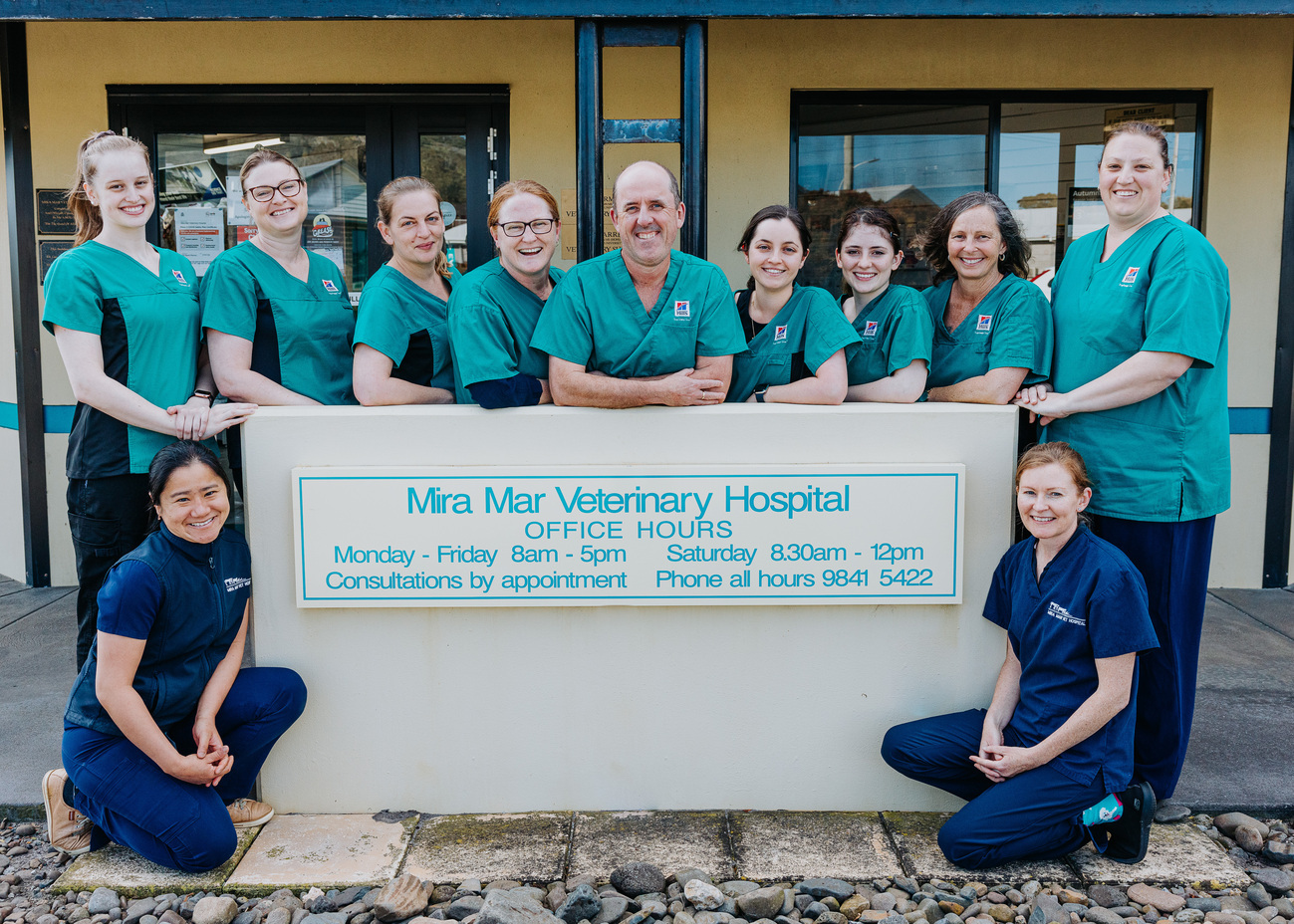
Mira Mar Veterinary Hospital
|
|
| |
|
|
| |
|
|
| |
|
|
|
|

|
| |
Welcome to the Mira Mar Vets newsletter for March!
|
|
| |
|
|
| |
Yes, it's already March... Time for another edition of our email newsletter.
This month we have some updates on vaccination protocols, parasite prevention, toileting troubles and whether your dog really needs nose balm!
We'd also like to welcome our new vet Dr Holly to the Mira Mar Vets family, and farewell our long-term vet and friend Dr Jialin. |
|
|
|
|
| |
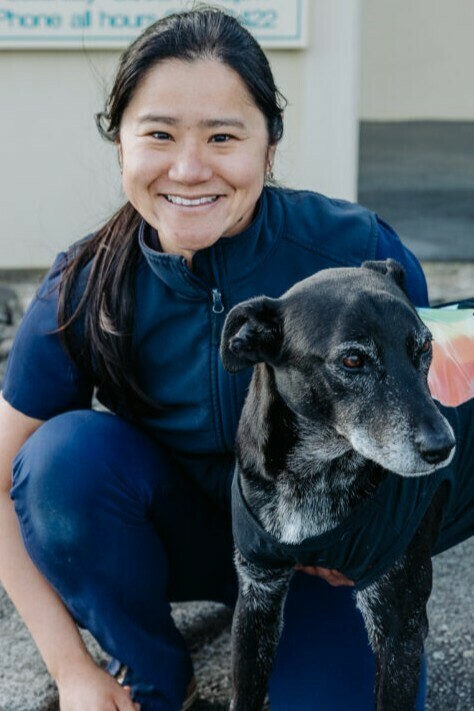
Farewell Dr Jialin
|
|
| |
|
|
| |
Jialin and her family arrived in Albany from Townsville in 2017, where she worked as a locum for a while before joining our team permanently. She quickly made her mark as an excellent vet with a quick mind and a wicked sense of humour with a real love for our clients and their pets. It has been wonderful to get to know her and her family over the past 9 years! We will miss her knowledgeable brain, her quirky earrings and her cheeky laugh, and we wish her every success with her new role in the Department of Agriculture. Goodbye and good luck Jialin! |
|
|
|
| |
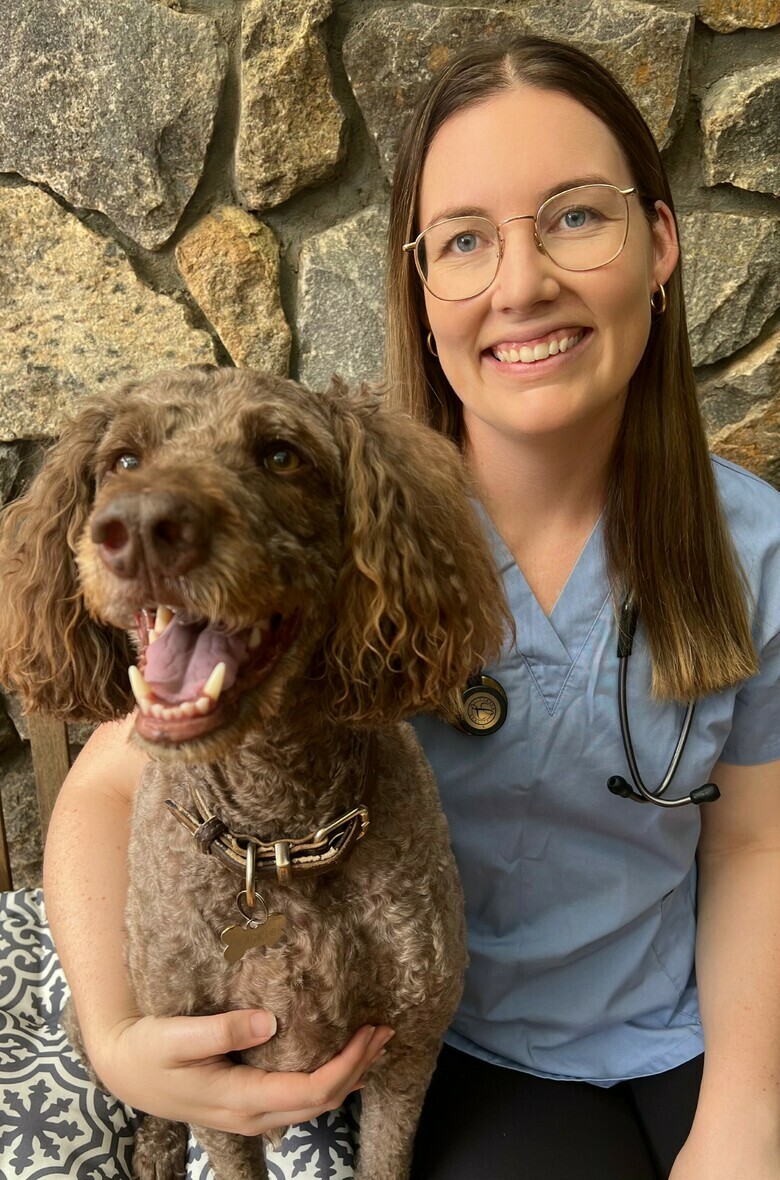
Welcome Dr Holly
|
|
| |
|
|
| |
Holly is the newest recruit to the Mira Mar Vet family, commencing working with us in January 2026. Holly is an Albany girl who moved to Perth for high school and university studies and completed some of her practical work with us while she was a vet student!
She has spent the last few years at a variety of jobs in the Geraldton and Midwest area. We are so thrilled she has decided to return to Albany. She has settled in quickly, is a great vet, and we are sure your pets will be happy to meet her! |
|
|
|
|
|
| |
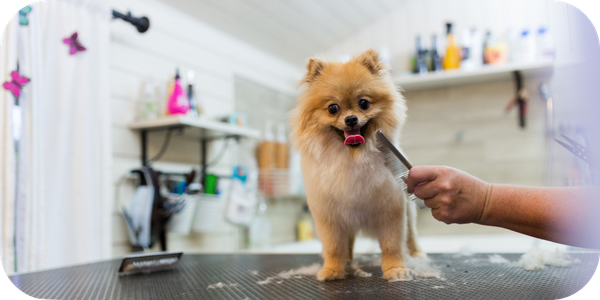
Dog beauty routines: health essential or social media fluff?
|
|
| |
|
|
| |
If you’ve noticed the recent social media trend of “Canine beauty routine” videos, you may be wondering: Does my dog need all those treatments?
Here’s what’s necessary for maintaining your pet’s health and comfort, and what’s just fluff!
Bathing
Unless your dog has a skin issue that necessitates medicated washes at a certain frequency, the average dog should only be bathed if they are smelly or dirty. If you bathe your pet too frequently, it will dry out their skin, thereby encouraging more oil production in the long-term.
Ear cleaning
As with bathing, the average dog without ear issues does not require routine ear cleaning. However, if their ears are frequently producing a lot of discharge, or are red, smelly or sore, it’s best to book a vet check in case your pet is developing an infection.
Topical nose and paw pad balm
Although it looks sweet, most pets do not require the application of a moisturising balm to their nose or paws! If your dog’s nose or paws ever look unusually dry, red or crusty, it could indicate an underlying health issue (such as allergies, autoimmune disease, or skin cancer) and necessitates a vet check.
Nail trims
Many pets need routine nail trims every 6-8 weeks to prevent overgrowth, particularly older or less active pets. Very active dogs may only require their dew claws (the “thumb nails” that don’t contact the ground during walking) to be maintained.
Teeth cleaning
Do dogs benefit from regular teeth cleaning? Yes! Daily teeth cleaning is a very effective way to minimise natural plaque build-up on your pet’s teeth, thereby slowing the development of painful periodontal disease. For a tutorial on how to safely clean your pet’s teeth, please don’t hesitate to reach out to our helpful team.
For more advice on care routines to keep your dog living their best life, consult our beautifully knowledgeable team! |
|
|
|
|
| |
A wee issue: when toilet habits go wrong
|
|
| |
|
|
| |
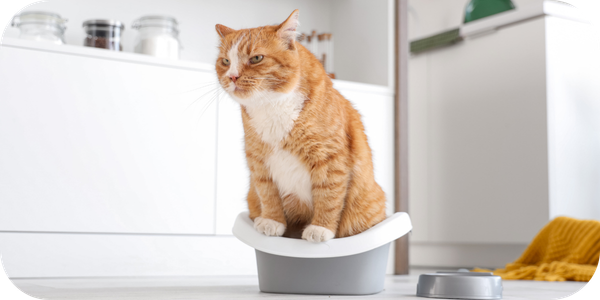
Having a pet “leaving messes” around the house is definitely one of the more unpleasant animal-related problems! If your pet has been toileting inappropriately, it’s best to book a consultation with one of our knowledgeable vets.
To help us “get to the bottom” of the issue, we’ll start by considering the following points:
1. Is this a new issue for your pet, or have they always been a bit patchy with toilet training?
If your pet has always had the occasional toileting misfire, it may be that there’s an issue with either their training or their toilet facilities.
Pets should be given access to their toileting facilities at least 3-4 times per day, and more frequently if they are old or have any known bladder or bowel control issues. If your pet can’t access their toileting spot when required, it’s understandable that they’d go elsewhere. It’s also important that pets, particularly cats using litter trays, are given a clean area to toilet in. Messes in litter trays should be scooped out at least twice daily, and trays should be fully emptied and cleaned out weekly, and there should be one tray per pet plus one extra.
If you think your pet never really got the hang of toilet training, we can give tips for toilet training and/or refer you to a suitable trainer for more assistance.
2. Is this a medical or behavioural issue?
If your pet was previously reliable with their toilet training but has recently changed, we are more likely to suspect a medical or behavioural issue. To investigate further, we’ll take a full history of your pet’s general activities, perform a physical examination, and sometimes recommend additional diagnostic testing, such as urine tests, blood tests, or imaging. This will help us to screen your pet for common causes of toileting problems, such as:
- Urinary health issues, such as bladder inflammation or infection
- Bowel problems causing abnormal stools
- Behavioural issues, such as anxiety or cognitive decline (dementia)
- Other health issues, such as arthritis making it difficult for your pet to get to their toileting spot
For more information on healthy habits in pets, consult our regular team! |
|
|
|
|
Just got a new puppy or kitten? Read this first
|
|
|
| |
If you’ve recently welcomed a new canine or feline family member, please don’t forget to book them in to meet us! Not only do we want to snuggle their little fluffy socks off, but we’re also keen to give them a full health check, ensure you’re feeling confident with all their care routines, and maximise their protection against common infectious diseases with timely vaccinations.
Here’s what the standard puppy or kitten vaccination schedule looks like.
6-8 weeks old
This is when the first vaccination is usually administered to get your pet’s immune response started.
Your pet will need a sequence of carefully timed vaccines to stimulate their immune system at regular intervals - this helps encourage the best long-term immune response as their natural antibody protection obtained from their mother’s milk begins to fade.
At this appointment, your pet should also have a full veterinary health check to assess for common puppy and kitten issues, such as ear infections or luxating patellas (loose kneecaps). If you obtain your pet from a breeder or reputable shelter, they should be able to report any pre-existing health issues to |
|
|
| |
you before sale. Otherwise, you can always promptly book your pet in with us for a check-up when you obtain them at around 8 weeks old.
10-12 weeks old
This is the usual time for a second vaccination. If your pet hasn’t already visited us for a health check, we’ll go through any significant findings with you, and can also make recommendations for ongoing care, such as parasite control routines and desexing.
~16 weeks old
This vaccine is important for stimulating the immune system of any pups or kittens who still have high levels of antibodies in their system from previous vaccinations that interfered with the strength of their own immune response.
Ongoing
Depending on your pet’s particular risk factors, we may then recommend that they receive their next booster vaccination somewhere between 6 to 16 months of age.
For more information on protecting your pet, consult our prevention-proficient team. |
|
|
|
|
|
| |
Pet vaccinations explained: what your pet really needs
|
|
| |
|
|
| |
While most owners understand the importance of ongoing vaccinations for their pet who is out and about in the world, we do sometimes field enquiries regarding other scenarios, such as how often pets should be vaccinated, what types of vaccinations they require, and whether they need ongoing vaccinations throughout their life.
Here are our team’s answers to a few probing vaccination questions.
What vaccinations does my pet need?
We would strongly recommend that all dogs receive the core vaccines, which in Australia, is the C3 (protecting against parvovirus, canine distemper virus and infectious hepatitis). Depending on your pet’s individual risk factors, they may also be recommended to receive vaccinations against kennel cough too. In Albany we see regular outbreaks of kennel cough, so if your dog is in contact with others, we advise this extra coverage.
Cats are recommended to receive the feline core vaccines, made up of the F3 (protecting against panleucopaenia, and two common causes of cat flu; calicivirus and herpesvirus). Depending on your cat’s risk factors, we may also recommend they receive other non-core vaccinations, such as FIV or FeLV. In Albany we tend to see some FIV (spread by fighting) but much less FeLV, so we recommend FIV vaccination in those cats who may be outdoors and potentially in contact with or fighting other cats.
Does my purely indoors cat/antisocial dog need ongoing vaccinations?
After their initial kitten vaccination series is completed (including a vaccination at around one year old), indoor-only cats may only need an F3 booster every 3 years (although this is 'off label' for the vaccine that we use at Mira Mar Vets, which still advises a yearly booster). However, if your cat is to attend boarding or will ever be let outside (even just sporadically), they should have yearly cat flu boosters and consider annual FIV coverage too.
Dogs who don’t come into close contact with other dogs are still recommended to stay up to date with their tri-annual C3 vaccinations, as diseases such as parvovirus can be picked up from viruses/bacteria shed into the environment from other infected animals.
But what about health checks?
Even if we don’t need to vaccinate your pet annually, we still recommend yearly health checks (or a check every 6 months for older pets). This is the best way of spotting subtle developing health issues earlier.
For personalised advice on the safest and most effective vaccination routines, please don’t hesitate to have a chat with our needle-sharp vets. |
|
|
|
|
| |
Common parasite prevention pitfalls
|
|
| |
|
|
| |
We get it – maintaining a comprehensive parasite prevention program for your pet can be challenging in terms of the expense, knowing which products to use, and keeping track of dates!
But the reality is that the treatment required for parasite-related health issues (such as flea-related skin irritation or worm-related gut upset) is usually more costly! And in the case of the potentially deadly parasite-related illnesses, such as tick paralysis or heartworm infestation, the consequences of leaving your pet unprotected can be awful for the poor pet and traumatic for their owner, too. We are very lucky in Albany that both paralysis tick and heartworm are not issues that we face, but we still see a lot of travelling pets who might be exposed to these nasty diseases, along with tick-borne Ehrlichiosis in the north of WA.
Our team is therefore here to shed light on a few of the most common parasite prevention pitfalls that we see, so you can stay alert.
1. Incomplete protection
It can definitely be confusing trying to work out what each product does, and what protection your pet actually needs. Many owners get tripped up using products marketed as “all-in-one” or “complete” and then find out later that the product doesn’t protect their pet adequately, with some products not covering sufficiently against either paralysis ticks or all the varieties of intestinal worms.
2. Incorrect frequencies
With different products varying in their required administration frequency from fortnightly, monthly, quarterly, 6-monthly or annually, owners sometimes fail to apply them at the correct time, particularly if they’re swapping between products.
Unfortunately, vets particularly on the east coast of Australia see many cases of deadly tick paralysis where a caring and usually reliable owner simply lapsed once and was a few days or weeks late to apply their pet’s prevention.
3. Not treating puppies/kittens
Some new owners mistakenly assume that recently obtained puppies and kittens don’t need parasite prevention for a while. However, these babies may come to your home with parasites (if they were insufficiently treated by their breeder), and they can also pick up parasite infestations from other pets or from public, bushy or rural environments.
For personalised recommendations on the safest and most effective parasite control routines for your pet, consult our knowledgeable team! |
|
|
|
|
| |
After flooding forced the evacuation of Daly River in the Northern Territory, a local family set up an emergency shelter and rescued pets left behind, giving evacuated residents peace of mind. Read more at ABC News.
The 2026 Australian Dog of the Year awards have been announced, with a Gold Coast therapy dog among those recognised for making a meaningful difference in the community. Read more at Pet Industry News.
Do you know?
Dogs can detect subtle changes in your body language, scent and even heart rate, which is why they often know what you are about to do before you do it. |
|
|
|
|
| |
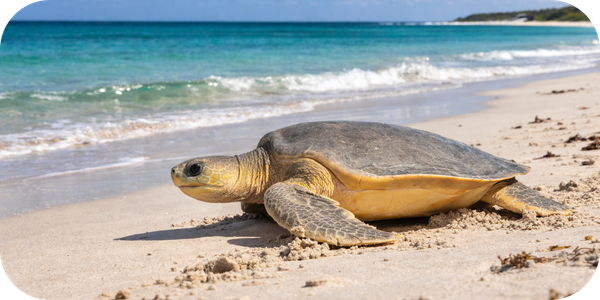
Flatback turtle numbers stabilise in Mackay
|
|
| |
|
|
| |
Flatback turtle numbers along the Mackay coast appear to have stabilised, following decades of volunteer monitoring and growing community support. Local groups protect nests, relocate those at risk and work to reduce threats such as beach driving and habitat damage. Conservationists are hopeful these efforts will help safeguard future generations of this vulnerable Australian species. Read more at ABC News. |
|
|
|
| |
This email contains comments of a general nature only and is not intended to be a substitute for professional veterinary advice. Please always consult your vet for specific advice on your pet's individual needs.
All content © Petpack 2026 |
|
|
|
[Footer]
|