| |
|
|
| |
Mira Mar Veterinary Hospital
|
|
| |
|
|
| |
|
|
| |
|
|
|
|
|
| |
April Newsletter
|
|
| |
|
|
| |
Hello and Happy Easter from the team at Mira Mar Vets!
Please enjoy this April edition of our email newsletter with lots of information on issues that can arise from carrying extra weight in our pets.
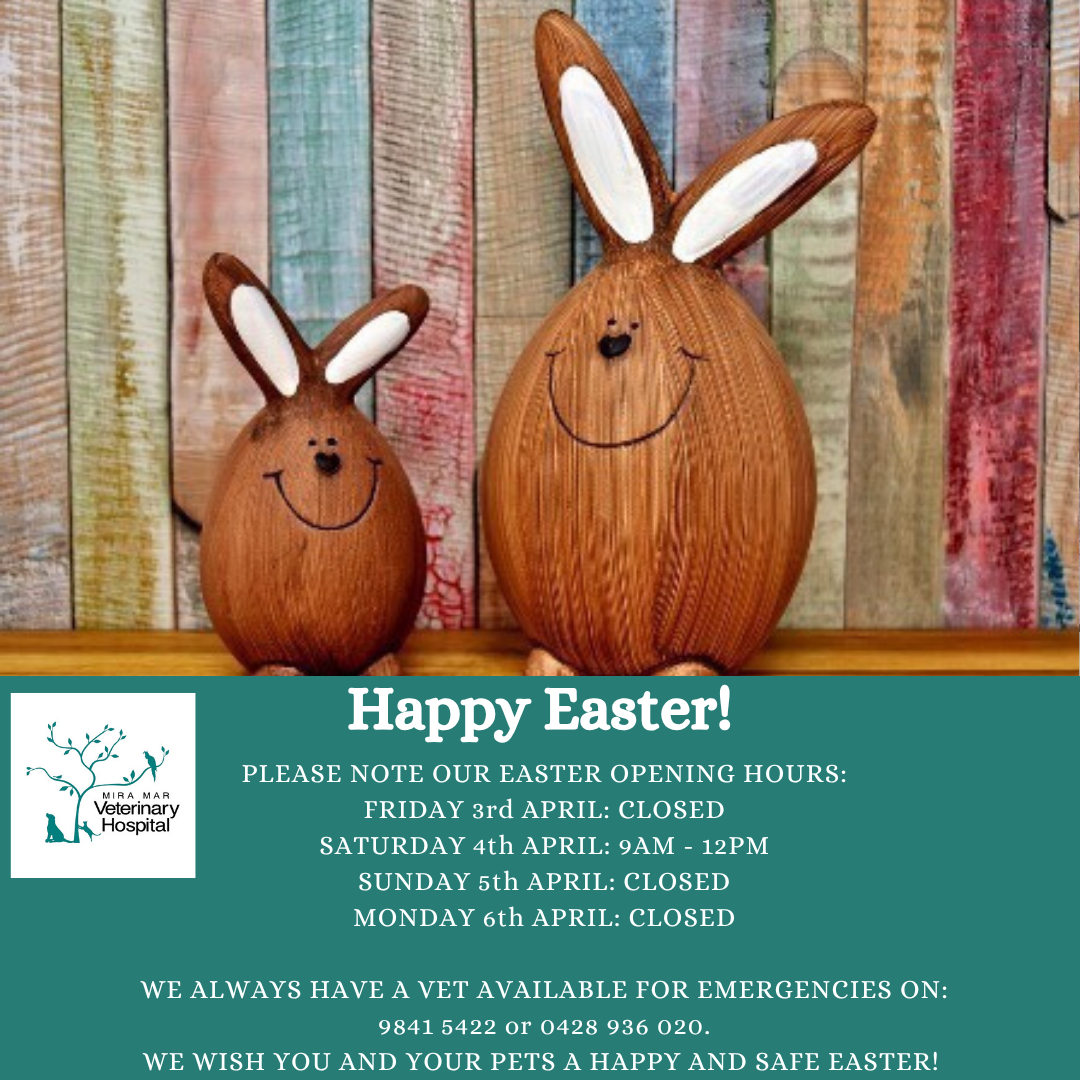
We wish you and your animal friends a happy and safe Easter break. Make sure your pets avoid the chocolate and the hot cross buns!
We will be closed for the public holidays (Easter and ANZAC day), but as always we will have a vet available for emergencies on 9841 5422 or 0428 936 020. |
|
|
|

|
| |
Puppy Preschool kicks off for 2026!
|
|
| |
|
|
| |
Our first Puppy Preschool class for 2026 all graduated with flying colours recently!
Congratulations to Barney, Bella Blossom, Freddie, Jazz, Lizzie, Rex (not pictured) and Smokey on having such a fun time and learning new skills!
If you think your new puppy might like to play at our Puppy Preschool, they must be between 8 and 16 weeks of age and have had at least one vaccination. Classes run weekly for four weeks. Please call the clinic on 9841 5422. |
|
| |
|
|
| |
Call now
|
|
|
|
|
| |
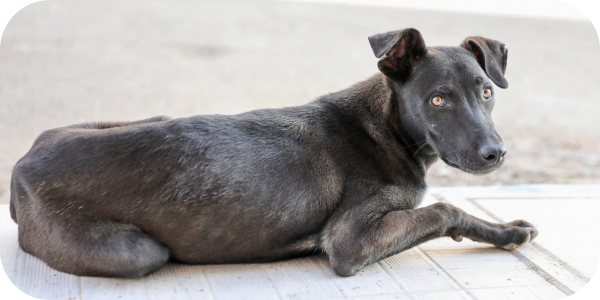
The skinny on a few common health issues
|
|
| |
|
|
| |
Did you know that, as well as having general health benefits, the maintenance (or restoration) of optimal body condition in pets can be an important component of treatment for some common illnesses?
Here’s when weight loss could be your pet’s gain!
How does being overweight impact your pet’s health?
Being overweight or obese can sadly affect your pet’s health in two main ways.
Firstly, excessive fatty tissue can be a physical impediment, causing:
- Reduced mobility due to increased body weight
- Airway issues (similar to sleep apnoea in people)
- An increased risk of dangerous overheating
- Increased strain on your pet’s joints
Secondly, adipocytes (fat cells) have been shown to produce biologically active substances that promote general inflammation within the body. This can affect nearly every major organ and body system and may lead to a reduced lifespan.
Conditions where healthy weight loss is recommended
While maintaining a lean, healthy body condition is recommended for every pet, there are some health conditions where weight loss can be a particularly important component of treatment, with measurable positive impacts. These include:
- Joint disease
In pets with arthritis, healthy weight loss can significantly reduce lameness and improve mobility, even without any other medications being given.
- Airway problems
In brachycephalic (snub-nosed pets) and dogs with a degenerative airway condition called collapsing trachea, weight loss can reduce pressure on their abnormal airways, improving their breathing and comfort.
- Insulin resistance/diabetes in cats
Overweight cats can develop insulin resistance and become four times more likely to develop Type 2 diabetes than ideal weight cats.
- Urinary disease
Sedentary overweight pets tend to have more concentrated urine, which can lead to the formation of irritating urine crystals or bladder stones, and they can also be more at risk of developing urinary tract infections.
For the skinny on your pet’s healthiest body condition, consult our knowledgeable team. |
|
|
|
|
| |
The how and when of healthy feline feeding routines
|
|
| |
|
|
| |
When it comes to “You are what you eat”, did you know that this saying holds true for our pets as well?
Interestingly, the “Five-a-Day Felix” report by the International Cat Care organisation found that for our feline friends, it’s also a matter of “You are how and when you eat” too!
This report found that the combination of modern cat food (palatable, energy dense and easily gobbled), lower average exercise levels in cats, and common feeding practices (twice daily feeding or all-day access to biscuits in a bowl that’s always located in the same place) can contribute to boredom, stress, overeating and obesity in domestic cats, with around 39-52% of cats in the UK being found to be overweight or obese.
As a result, this report made some simple, scientifically backed recommendations to support domestic feline health and welfare, suggesting that cats should be fed:
- Five or more smaller portions over a 24-hour period
This mimics a cat’s natural feeding habit of eating little and often throughout the day and night via the hunting of small prey species. To prevent accidental overfeeding, you can weigh or divide out smaller portions of food for your cat in advance each day, so they’re not exceeding the recommended total quantity per day. For night feeding or feeding your cat while you’re at work, timed feeding devices can be very helpful.
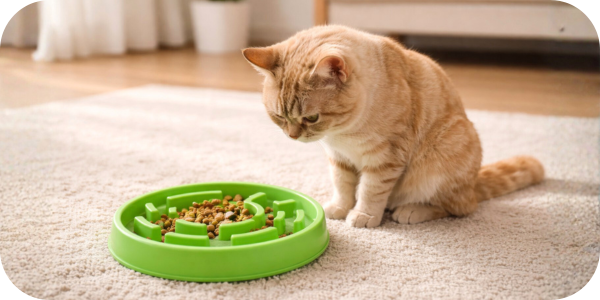
- Via a variety of puzzle feeders
This was found to encourage mental and physical stimulation of cats during feeding, and help satisfy natural hunting behaviours, thereby reducing boredom, stress, anxiety and aggression. Puzzle feeders can be bought, or you can make DIY versions at home.
- From different locations
Placing your cat’s food in a variety of locations around the house encourages them to engage their senses and “hunt” for their food.
For more information on healthy body condition and behaviour in your cat, consult our feline-friendly team! |
|
|
|
| |
Have you heard of weekend warrior syndrome in dogs? This condition may hit a little too close to home for some of us humans too, as it occurs when a usually sedentary pet engages in intense physical activity over the weekend, resulting in a sore and sorry doggo come Monday!
Here’s more about weekend warrior syndrome in dogs, including how to avoid it and when to seek a veterinary assessment for your little “party animal”!
What is weekend warrior syndrome?
Weekend warrior syndrome is the result of a pet suddenly engaging in intense exercise that they have not been conditioned to. This can lead to:
- significant muscle soreness, or in the worst-case scenario, symptoms of rhabdomyolysis, a condition where rapid muscle breakdown occurs, leading to overwhelming quantities of muscle cell contents entering the bloodstream and travelling to the kidneys, where they can cause severe damage
- muscle or ligament strains or tears, such as damage to the cruciate ligament in the knee
Additionally, it’s important to be aware that sudden intense activity in overweight pets, particularly in hot or humid weather, can put them at risk of developing breathing difficulties or heatstroke. |
|
|
| |
How can we help to prevent weekend warrior syndrome in dogs?
While it can be fun to let your dog “run free” and live their best life on a weekend, it’s important that we monitor them to ensure that they don’t excitedly overexert themselves, particularly if they haven’t been gradually conditioned to that activity or if it’s hot or humid weather.
Signs that your dog needs to stop and have a rest include:
- Heavy panting
- Excessive drooling
- Weakness or wobbliness
- Shaking legs
- Darker red gums or a bluish tongue
Confine your pet somewhere cool to rest for several hours, ensure they have free access to water, and monitor them closely.
When should a “weekend warrior” pet see a vet?
Your pet should see a vet urgently if they demonstrate symptoms such as:
- Sudden severe limb pain, lameness or stiffness
- Dark brownish coloured urine
- Difficulties breathing
- Weakness, collapse, or muscle tremors
|
|
|
|
|
|
| |
Post-operative wound swelling: is it a worry?
|
|
| |
|
|
| |
Is your pet due to undergo surgery, such as desexing or lump removal?
Here are three common causes of post-operative wound issues, and how you can help prevent them to ensure a smooth and comfortable recovery for your pet!
Wound swelling/inflammation:
- What it looks like: Wounds appear puffy or swollen with redness and/or bruising, and may also be tender to touch.
- What causes it: Significant soft tissue swelling is most common when a pet is too active in the 10-14 days after surgery, but can also occur if a patient has an (uncommon) allergic reaction to their internal stitches.
Wound infection:
- What it looks like: Wounds usually have areas of warm, red, painful swelling, and may also be leaking discharge (which can range from red and watery to more classic “pus”).
- What causes it: With routine, planned surgeries, post-operative infection is uncommon unless the patient has either been licking at their wound, or the wound has become contaminated with dirt or faecal material.
Wound dehiscence:
- What it looks like: Wound dehiscence is when part or all of a wound breaks open. This may cause the skin edges to gape open, or if underlying muscle layers of the abdomen have broken open, there may be hernia formation (a bulge of internal organs poking through).
- What causes it: While good surgical technique can help to prevent dehiscence, any wound can break open if a pet is overly active or is licking excessively or chewing at their stitches before the wound is healed.
You can prevent most post-operative issues by:
- Keeping your pet rested for the recommended period
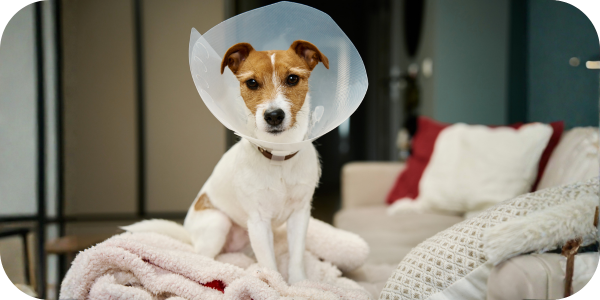
- Keeping your pet’s bucket collar on
- Ensuring your pet’s wound stays dry and clean
- Administering any medications as per the labelled instructions
If you have any concerns about your pet after surgery, please don’t hesitate to reach out to our experienced team! |
|
|
|
|
| |
Virgin Australia says demand for its pets-in-cabin service has been strong and the airline plans to expand the scheme to more domestic routes, giving more owners the option to travel with pets in the cabin. Read more at news.com.au.
Australians have been sharing the habits they appreciate most from responsible dog owners, from giving dogs time to sniff on walks to being more aware of other people and pets in public spaces. Read more at ABC News.
Do you know?
Dogs do not experience flavour the same way humans do. With fewer taste buds than us, their sense of smell plays a much bigger role in how appealing food seems. |
|
|
|
|
| |
Shark Bay community helps protect marine life
|
|
| |
|
|
| |
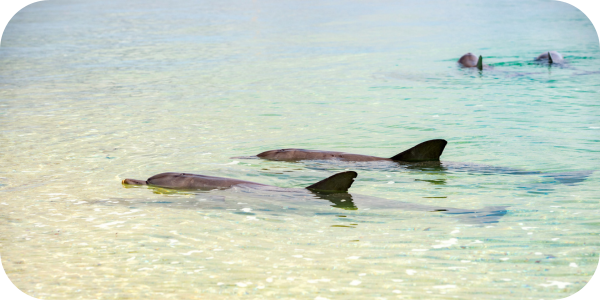
Shark Bay is being protected not only by its World Heritage status, but by the people who care for it every day. Volunteers, rangers and Traditional Owners are restoring seagrass meadows, managing tourism and helping preserve this unique marine environment. Their efforts are supporting important habitat for dolphins, dugongs and other sea life along this remarkable stretch of coast. Read more at ABC News. |
|
|
|
| |
This email contains comments of a general nature only and is not intended to be a substitute for professional veterinary advice. Please always consult your vet for specific advice on your pet's individual needs.
All content © Petpack 2026 |
|
|
|
[Footer]
|