| |
|
|
| |
Mira Mar Veterinary Hospital
|
|
| |
|
|
| |
|
|
| |
|
|
|
|
|
| |
JUNE NEWSLETTER
|
|
| |
|
|
| |
Welcome to our newsletter for June!
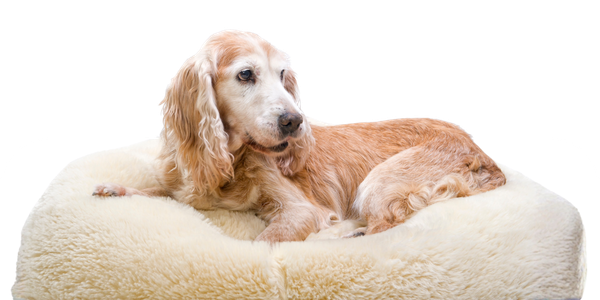
This newsletter contains some great information on Senior Pet ailments. If you missed out on our Senior Pet Month promotion in May, then good news! We are planning on continuing the benefits to your golden oldies all the way through June. Please give the clinic a call on 9841 5422 to book in your Senior Pet Check.
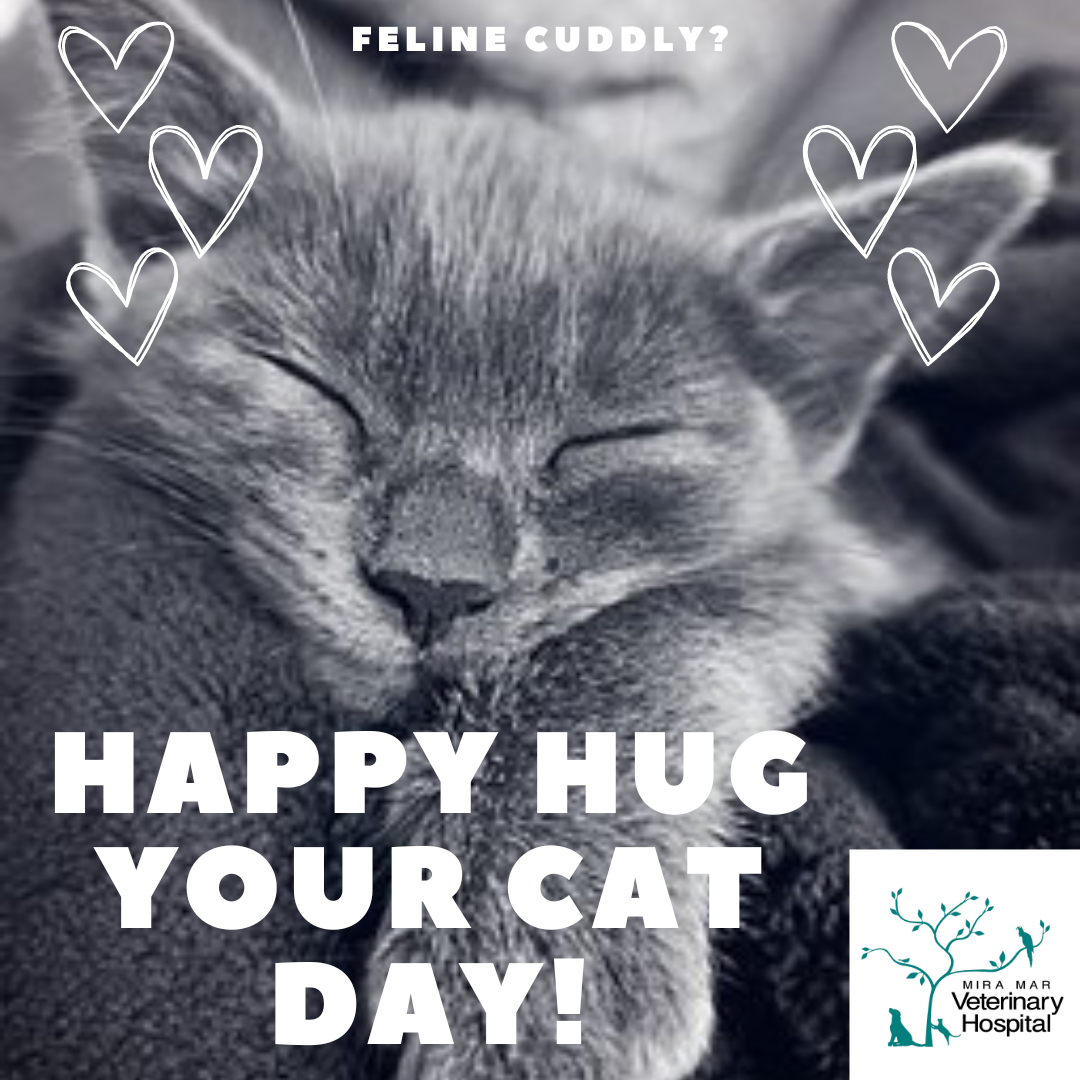
Also, on June 4 every year you can celebrate Hug Your Cat Day! And seriously, who can resist the joy of snuggling a cat? So, if your kitty wants to join in, we highly recommend that you start the day with a cat hug! |
|
| |
|
|
| |
CALL NOW
|
|
|
|
|
| |
Eye-spy a senior health issue
|
|
| |
|
|
| |
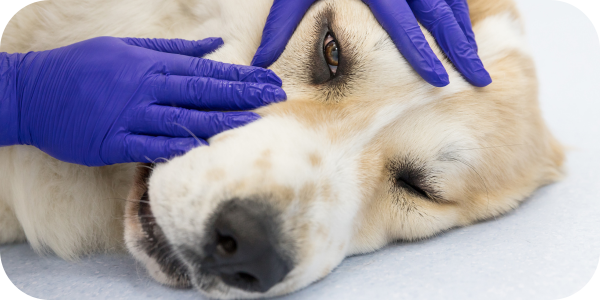
It’s always good "eye-dea" to keep an eye on your pet’s eyes for any unusual changes, but it’s especially important in senior pets! Mature pets often develop a few benign (harmless) eye changes, but they are also at a higher risk of some problematic conditions.
Here’s what to look for, and when it’s safest to have your pet assessed by our vets.
Sunken eyes
Older pets can gradually develop a more sunken appearance to their eyes, i.e. their eyeballs sitting deeper back within the sockets. This is often due to the age-related loss of fatty tissue behind their eyeballs.
However, sudden eyeball positional changes can also occur due to conditions such as:
- Moderate to severe dehydration
- A nerve problem called Horner’s disease, which can occur randomly in some cases, or may be triggered by other conditions such as middle/inner ear problems or trauma to the neck
- Reflex retraction of the eyeball (i.e. the eyeball being pulled into the eye socket) due to painful eye conditions, such as eye ulcers or foreign bodies
Cloudy eyes
Senior pets frequently develop a bluish-grey cloudiness of the lenses within their eyes, due to a degenerative change known as lenticular sclerosis. This doesn’t require treatment but may slightly reduce their near vision or depth perception.
However, dogs and cats may also develop cloudy eyes due to:
- Cataracts, which can develop secondary to conditions such as diabetes, and often trigger other problematic eye conditions such as uveitis (eyeball inflammation)
- Glaucoma (a sudden increase in eyeball pressure, which can cause severe pain and permanent blindness)
- Pigmentary keratitis (the formation of brown/black pigment on the usually clear surface of the eyeball, due to chronic irritation from conditions such as dry eye)
The bottom line? If your pet’s eyes suddenly look different, it’s always safest to have our vets take a look! It could spare your pet a lot of discomfort and may even save their vision! |
|
|
|
| |
Sore joints, sensitive tummy
|
|
| |
|
|
| |
“My pet has a sensitive tummy. Can they still take pain relief for their arthritis?”
Traditionally, NSAIDs (non-steroidal anti-inflammatory drugs) such as carprofen, meloxicam or firocoxib have been used to help manage the pain and inflammation associated with arthritis in pets. While these drugs can be very effective, some sensitive-tummied pets aren’t able to tolerate them, developing symptoms such as diarrhoea, vomiting, or even potentially severe gut ulceration and bleeding.
So what alternative pain relief options are available for arthritic pets who just “can’t stomach” NSAIDs? Depending on any other health or behavioural issues the pet has, our vets may be able to prescribe options including:
- Paracetamol – for dogs with healthy liver function, but NEVER for cats (as cats cannot safely metabolise paracetamol, so it causes poisoning).
- Amantadine or intermittent low-dose ketamine injections – these drugs can help reduce the increased sensitivity that can occur with chronic pain.
- Gabapentin – this drug can help relieve chronic nerve-related pain in dogs and cats and is also a bit of a “chill pill”!
- Prescription CBD – safe prescription CBD oil initiated at a low dose and gradually increased to an effective level can have great pain relief, anti-inflammatory, appetite stimulation and anti-anxiety effects for dogs!
- Nerve blocks – specialised pet pain relief services can administer nerve blocks under ultrasound guidance to help reduce pain in problematic joints.
- Monthly pain relief injections – for select cases, monthly monoclonal antibody pain relief injections can help block nerve growth factor, thereby preventing joint pain signals from reaching the brain.
- Supplements – safe supplements (such as fish oil, PEA, epitalis or turmeric) at therapeutic dosages can help reduce arthritis pain and inflammation on a day-to-day basis, so can be a useful adjunct to other pain relief drugs.
For personalised recommendations on safe joint pain relief for your pet, consult our orthopaedically-awesome vets! |
|
|
|
|
| |
Senior cat cold weather support
|
|
| |
|
|
| |
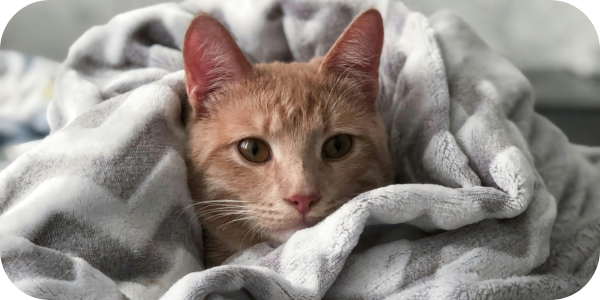
Brrr, it’s cold outside! While cats are generally pretty good at finding the cosiest nooks around the house to stay warm, we’ve got some additional winter weather support tips to help keep older kitties (10+ years of age) feeling their best.
Arthritis support
With up to 90% of cats 12 years of age and older showing signs of arthritis, it’s likely that your senior kiti-zen will develop achy joints at some point. Unfortunately, the associated pain and stiffness can worsen in cold weather.
What you can do:
- Monitor for subtle symptoms of arthritis, such as:
- increased stiffness after rest
- a reluctance to jump up or down
- a reduced ability to groom properly (which can show as poor coat quality, increased skin flakiness, difficulties keeping clean after toileting, or increased coat matting)
- Ensure your cat always has soft, supportive bedding that is warm (i.e. a pet-safe warmed bed or a bed placed near a safe heat source)
- If your cat has reduced mobility, offer the option of lower-sided litter trays for them to get in and out of more easily
- Consulting our feline-friendly vets about arthritis support options, including joint health supplements and pain relief
Grooming
During seasonal changes, thick-furred or double-coated pets can shed significantly, and fluffy older cats can be particularly prone to matting during this time. Additionally, older cats may gradually develop thicker claws as they age and may be less active with their scratching activities in cold weather too.
What you can do:
- Brush and/or comb your cat 2 to 3 times weekly to help remove dead undercoat and prevent matting
- If your cat is long-haired, consider getting them a “hygiene clip” around their bottom and under their belly to help prevent toileting messes and knots
- Check and trim your cat’s claws every 4 to 6 weeks if needed to prevent painful overgrowth
If you’re unsure what your senior kiti-zen needs to stay comfy in cold weather, check in with our friendly team for more personalised advice. |
|
|
|
|
Why has my older dog started weeing in the house?
|
|
|
| |
“My senior dog has started weeing in the house overnight, when they always used to hold it all night – why?”
If your doggo previously aced Toilet Training 101 but something has recently changed, it could be due to a number of wee-sons (sorry, we couldn’t help ourselves…)
Here are some potential causes of wayward wees in older dogs.
Urinary incontinence
This is when a pet leaks urine involuntarily, and it most often happens when they are lying down or sleeping. However, some pets will also dribble urine as they’re walking, or just after doing a wee.
The most common cause of developed urinary incontinence in mature female dogs is known as USMI (urethral sphincter mechanism incontinence). This is due to a hormone-responsive weakness in the muscles around the urethra, making the pet unable to effectively hold urine in their bladder.
Other causes of developed urinary incontinence can include spinal diseases or injuries, prostatic diseases in male dogs, or urinary tract infections, bladder stones or bladder masses. |
|
|
| |
Toileting behaviour changes
If your senior pet seems able to hold their urine but is then consciously toileting in the wrong area, it could suggest:
- A health issue causing increased bladder discomfort, such as a urinary tract infection, bladder stone or bladder mass.
- Increased overall wee volume, which can occur with health issues such as kidney disease or diabetes.
- An unwillingness to use their designated toileting facilities, which can result from:
- Anxiety, e.g. if a negative incident happened while they were toileting previously
- Physical difficulties reaching their toileting facilities, e.g. reduced mobility or vision
- Dirty or otherwise unsuitable toileting facilities
- Forgetting their normal toileting behaviours, which can occur with age-related cognitive decline (doggy dementia).
The bottom line? If your pet’s toileting habits have changed, we’d recommend a consultation with one of our knowledgeable vets, so we can “get to the bottom” of their issue pronto! |
|
|
|
|
|
| |
Panda’s sore paw pad: A hidden senior cat issue
|
|
| |
|
|
| |
The case, pets, and veterinary professionals in this article are fictional and used for educational purposes only.
Panda the tuxedo cat was a distinguished gentleman of around 14 years of age. He led a sedentary life that involved a lot of contented loafing around in various sunny spots, so his owners, Ben and Lucy, were surprised when one day he started limping.
Thinking Panda may have developed arthritis, his owners booked him for a veterinary check-up.
The next day, Panda calmly moseyed out of his carry-cage onto the veterinary consultation table, and after a few friendly drive-by “head boops” with the vet, underwent a full physical examination.
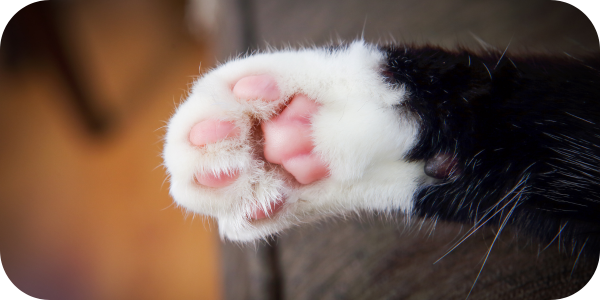
Panda was noticed to have some moderate dental calculus (hardened plaque on his teeth), so Lucy and the vet discussed booking him in for a dental procedure soon to prevent pain or infection. He also had some arthritic stiffness in his hips. However, the cause of Panda’s current lameness was quickly ascertained; his claws were long, and one particularly thick claw had curled around and started digging into one of his paw pads, which looked inflamed and sore.
Ben and Lucy were surprised and embarrassed by this. They had never had to trim Panda’s claws before, as he had always kept them in good check with his regular scratching activities in the backyard and on his scratching post.
The vet explained that as cats get older, their claw sheaths (the dead, outer husks which should shed naturally on a regular basis) can remain in place, causing their claws to become abnormally thick and tough. This, combined with less energy or mobility for scratching, can result in claw overgrowth.
With the aid of a lickable treat pouch, Panda was very tolerant of the vet trimming his overgrown claws, and also allowed his sore pad to be gently bathed in an antibacterial solution.
Ben and Lucy now trim Panda’s claws every 4 to 6 weeks, and with his freshly cleaned teeth and a new joint health supplement, he’s living his best sun-soaked life once more! |
|
|
|
|
| |
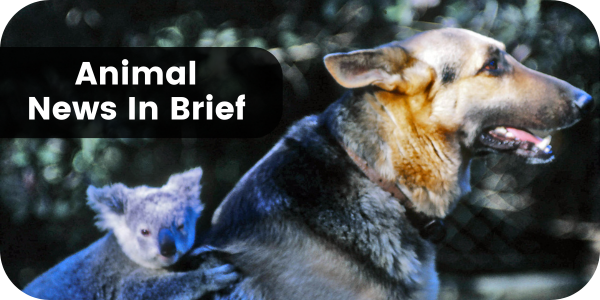
Australia’s famous koala detection dog Bear has retired after 10 years helping find koalas after fires and floods. Conservation groups are now searching for a new dog with the same focus, energy and love of fetch to continue the job. Read more at The Guardian.
New research from RSPCA Australia found 98% of Australians believe people and pets should be kept together during times of crisis. The organisation is calling for more pet-inclusive emergency support, including short-term care and refuge options for people who need help. Read more at RSPCA Australia.
Do you know?
Senior dogs and cats can experience changes similar to dementia. If an older pet starts seeming confused, staring at walls, getting lost in familiar places or becoming unsettled at night, it may not just be “old age”. |
|
|
|
|
| |
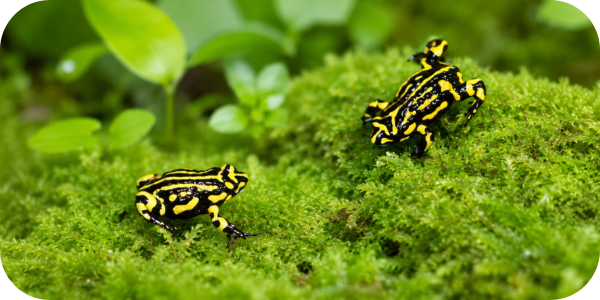
Northern corroboree frogs released in southern NSW
|
|
| |
|
|
| |
More than 800 northern corroboree frogs have been released into Brindabella National Park to help rebuild numbers of one of Australia’s most critically endangered amphibians. The tiny frogs were bred at Taronga Zoo in a quarantine facility designed to protect them from the chytrid fungus, one of the major threats to the species. Scientists have photographed each frog’s unique markings so they can track survival in future monitoring. Read more at ABC News. |
|
|
|
| |
This email contains comments of a general nature only and is not intended to be a substitute for professional veterinary advice. Please always consult your vet for specific advice on your pet's individual needs.
All content © Petpack 2026 |
|
|
|
[Footer]
|