| |
|
|
| |
Mira Mar Veterinary Hospital
|
|
| |
|
|
| |
|
|
| |
|
|
|
|
|
| |
July Newsletter
|
|
| |
|
|
| |
Hello and welcome to our newsletter for July! We hope you and your pets are staying warm and dry!
We are continuing to be very busy. Rat and mouse bait exposure has been a big concern over the past few months, we know there are a lot of rodents around at this time of year. Please be very careful to ensure your pets cannot have access to any baits as the effects on their blood clotting can potentially be fatal.
This issue of our newsletter has articles relating to pet care over the winter months, as well as some common emergency conditions we encounter at the clinic. We hope you enjoy reading it! |
|
|
|
|
| |
Senior Pet Month a great success - thanks to you!
|
|
| |
|
|
| |
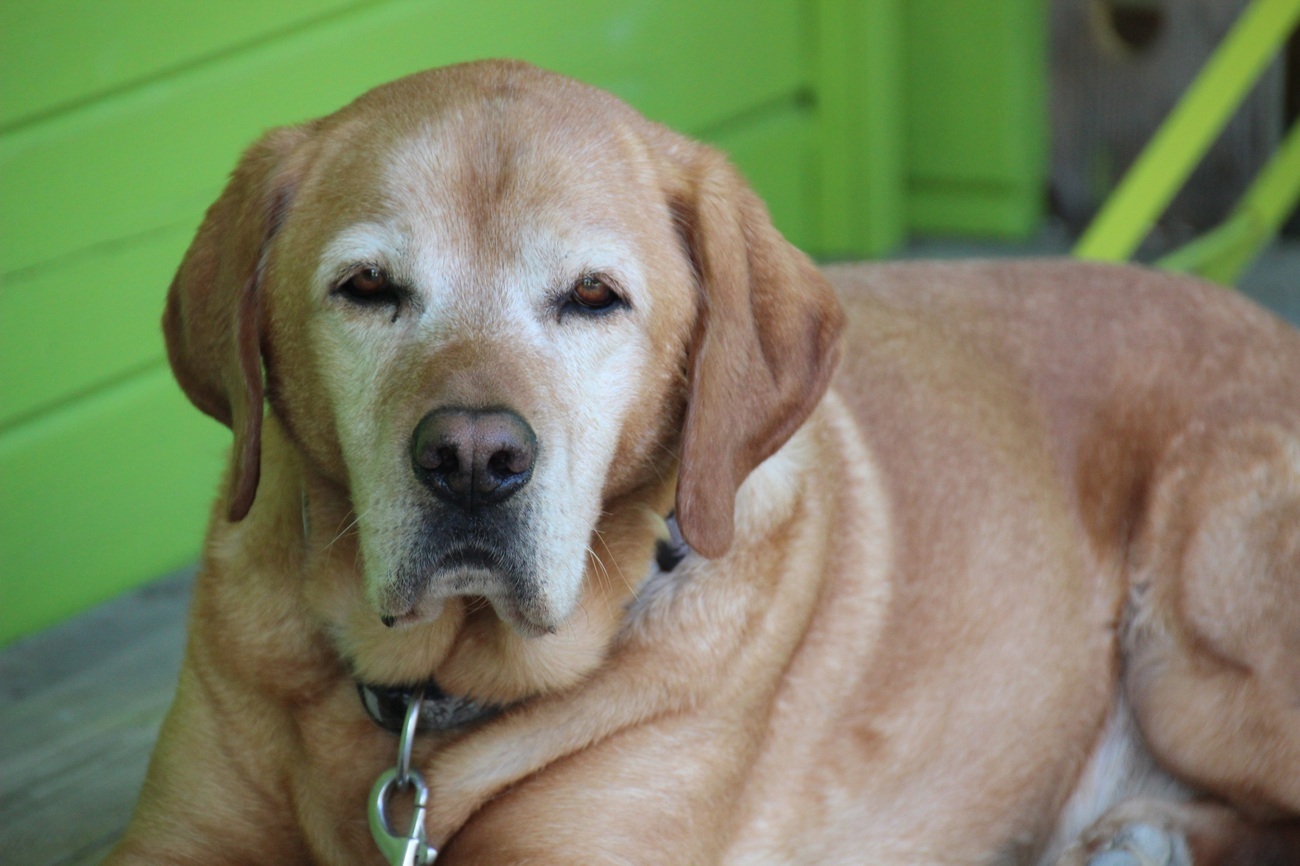
Over May and June during our Senior Pet Month promotion, we had the joy of examining and testing 50 of our beautiful senior pets. We are so grateful to the pet owners of Albany, who understand how important our wonderful Golden Oldies are, and are so keen to work with us to ensure that these pets live out their later years in good health and condition.
We are already looking forward to seeing them again at their free rechecks in six months!
|
|
|
|
|
| |
Avian Flu Update
|
|
| |
|
|
| |
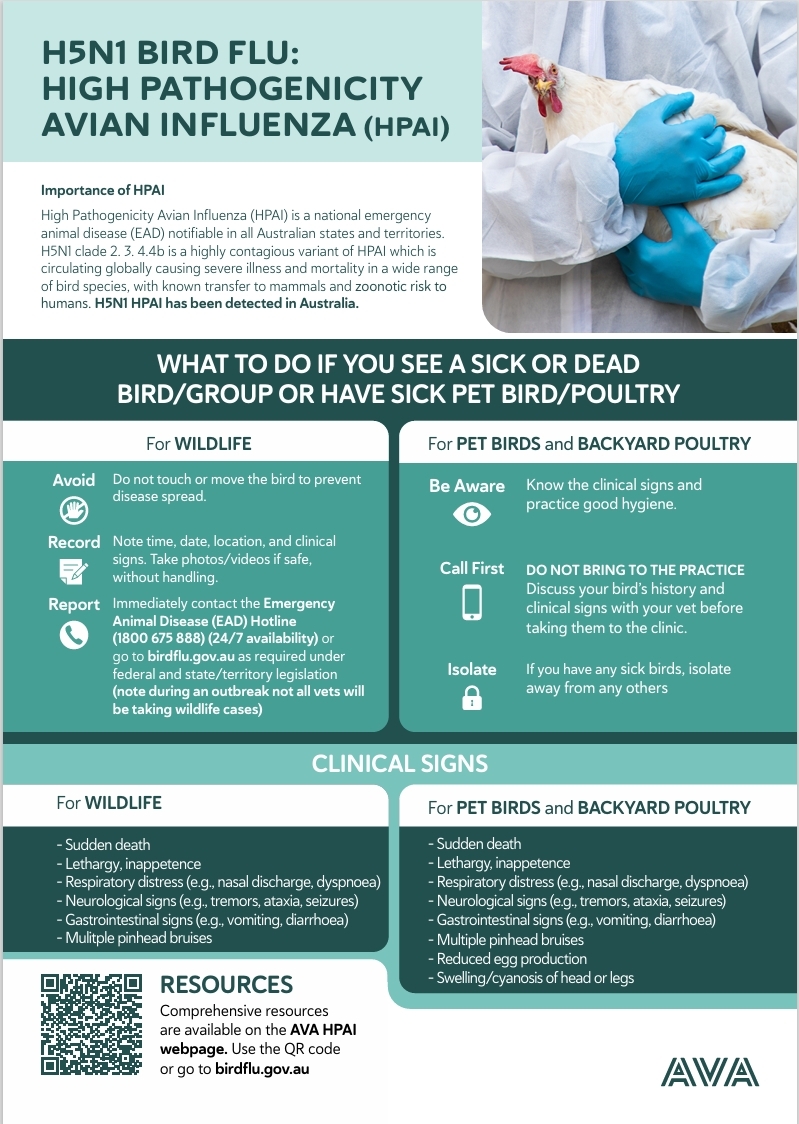
H5 Bird Flu has been detected along the WA and SA coastlines. Here’s a key poster from the Australian Veterinary Association for public awareness.
**AT MIRA MAR VETS**
- SICK wild birds will NOT be seen in-clinic. Avoid, Record and Report sightings as instructed.
- INJURED wild birds will be triaged OUTSIDE the clinic initially.
- Sick pet birds and poultry will also be examined OUTSIDE first; please call before visiting.
**WHAT YOU CAN DO**
1. **Reduce Spread**
- Do NOT touch sick or dead wildlife; avoid, record and report details to Emergency Animal Disease Hotline: 1800 675 888.
- Keep pets away from wildlife—cats indoors, dogs on leads in natural areas.
- Clean shoes, clothing, and vehicles after visiting parks or farms to prevent disease spread.
2. **Protect Your Birds**
- Prevent wild bird access to your poultry feed/water.
- Maintain cleanliness of pens, aviaries, feeders, etc.
- Wash hands thoroughly before/after handling birds and boots between visits.
- Monitor for signs of disease or sudden deaths; report multiple fatalities. |
|
|
|
|
| |
Supporting your pet’s skin health this winter
|
|
| |
|
|
| |
It’s not just our skin that can get a little dry and irritated over winter – the same thing can happen to our furry family members too!
Here are our team’s best tips for supporting your pet’s best skin health year-round.
Appropriate bathing
Excessive bathing can dry out your pet’s skin, so only bathe them if they are smelly or dirty, or if we have recommended a routine of medicated washes for a diagnosed skin condition.
Dogs with naturally sensitive or dry skin may also benefit from the use of a pet-friendly leave-in conditioning product to help moisturise and soothe the skin.
Essential fatty acid supplements
Essential fatty acid supplements such as fish oil can support pets with drier skin or allergic skin conditions. Ask our vets for recommendations on safe and effective products.
Regular grooming
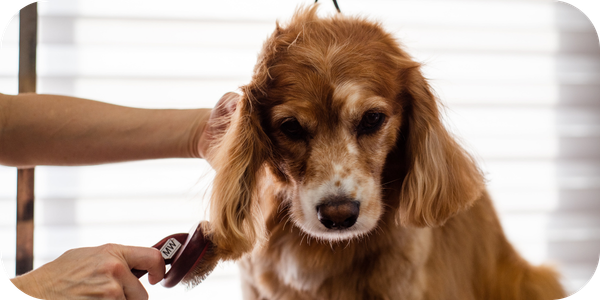
Most pets will benefit from regular grooming to help remove loose, dead hairs. Long-haired pets should be combed several times weekly to prevent mats, and double-coated pets may require the use of a deshedding tool, particularly during seasonal changes, to remove loose undercoat and prevent fur compaction and skin irritation.
Keeping up with parasite prevention
Fleas (and in some regions, ticks) can remain active even during winter. We’d recommend keeping your pet up to date with parasite prevention all year round as the safest option.
When to get a vet check
While some environmental allergic skin conditions are seasonal and therefore may settle down over winter, other pets may suffer from allergic irritations of their skin and/or ears year-round. These conditions may also result in secondary bacterial or yeast overgrowth, which can rapidly worsen the problem.
If you notice your pet recurrently scratching or licking at certain areas, or any smell, redness or discharge, it’s best to have our vets take a look! |
|
|
|
| |
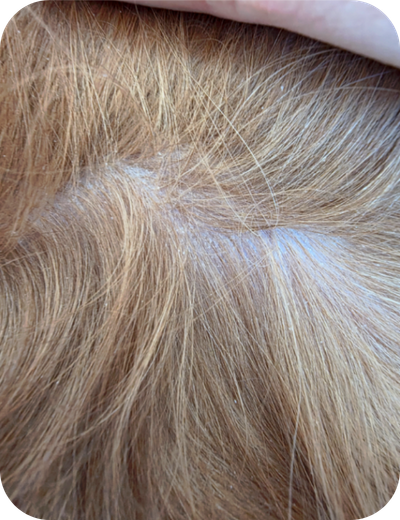
Dry skin and mild dandruff on a Cavalier King Charles Spaniel |
|
|
|
| |
Elephant elbow
|
|
| |
|
|
| |
Does your dog have patches of thickened, hairless skin on their elbows? And if so, are they an issue?
Here’s more information on elbow calluses in dogs, and when they might require a vet check.
What are calluses?
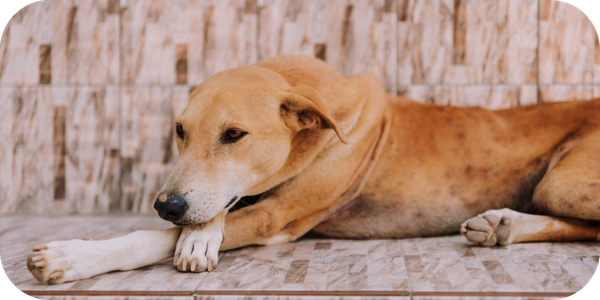
Calluses are areas of skin thickening that form as a protective response to frequent pressure or friction. They are commonly seen on larger breed dogs who lie on hard surfaces, and frequently form on bony, unpadded areas such as the elbows, hocks (ankles), and hips.
Calluses appear as thick, hairless patches of skin that are often greyish and wrinkled in appearance, so they can look a little like elephant hide!
Do calluses require treatment?
In most cases, calluses are a cosmetic issue only and require no treatment. Dogs should always be given access to soft, clean, supportive bedding (even if they then choose not to lie on it!), particularly if they have any known joint pain issues.
If your dog’s calluses appear very dry and rough, you can try regularly applying a pet-safe moisturising balm or petroleum jelly to help prevent them from cracking and becoming infected.
Should I get my dog’s calluses checked?
Overweight or less mobile dogs can be prone to developing problematic pressure sores due to increased pressure, while overly thin pets can also be at risk of these due to a lack of natural padding. Additionally, dogs with sensitive skin or very short, bristly hairs can also develop problematic skin issues that can mimic calluses, such as hot spots (acute skin inflammation) or folliculitis (deep skin inflammation/infection).
It’s recommended to have your dog’s calluses checked if:
- They are causing any irritation to your pet
- They become red, raw, or oozy
- They become swollen
- They appear to be growing or spreading to other areas
For an experienced assessment of your pet’s skin health, book an appointment with one of our friendly vets. |
|
|
|
|
Why does emergency and specialist veterinary care cost more?
|
|
|
| |
GP veterinary staff are often remarkably competent across a range of medical disciplines (routine health care, radiology, surgery, dentistry and laboratory test analysis - just to name a few!), and many go above and beyond to help the pets in their care.
However, there are situations where unwell or injured pets may be recommended for transfer to a specialist or emergency after-hours facility. This may be the case if a pet:
- Is severely unwell, and requires “round-the-clock” or intensive medical care
- Has a complex condition (or combination of conditions) that requires expert medical assessment or management
- Requires advanced imaging (such as specialist ultrasound, or a CT or MRI scan) to fully assess their condition
- Requires surgery necessitating expert surgical skill and/or equipment
Many owners view their beloved pet as part of the family and want them to receive a similar level of medical care to what they would receive themselves.
Fortunately, the existence of afterhours and specialist veterinary hospitals |
|
|
| |
means that the pets in those regions have the option of receiving “gold standard” care from highly trained or specialist staff who have a larger range of high-spec equipment and diagnostic tools and are available 24/7.
Unfortunately, however, “human-grade” veterinary care lacks one major thing: Medicare to subsidise or cover the associated costs! This means that unless the pet is covered with an appropriate pet insurance policy, the owner will have to bear the brunt of these costs themselves.
We want every pet to experience their best possible quality of life, so we recommend:
- Ideally, covering your pet with a suitable pet insurance policy as early as possible (before they develop pre-existing conditions)
- When it comes to care for your pet, there are usually several potential treatment/management options, each with their own advantages and disadvantages. Please don’t hesitate to let us know what is realistically possible for you (financially, timewise and emotionally) and what you feel your pet can cope with. There is no one solution that suits every family.
|
|
|
|
|
|
| |
GDV: a big emergency
|
|
| |
|
|
| |
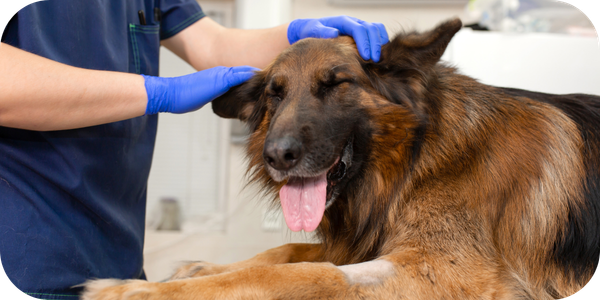
GDV (Gastric Dilatation-Volvulus), often called “bloat”, is an acute, life-threatening condition that large, deep-chested dogs can be particularly prone to.
If you have a large or giant-breed dog, it’s best to be aware of the symptoms of GDV, and the measures you could take to help prevent it in your canine companion.
What is GDV and why does it make affected pets so unwell?
GDV occurs when the stomach becomes overfilled with air and then twists so it becomes blocked at either end. The stomach then continues to swell, with no way to release gas or food contents, which leads to:
- Significant pain
- Obstruction of normal blood flow to the stomach wall, and often to the nearby spleen too
- Progressive cardiovascular shock (poor blood pressure)
- Breathing difficulties
Which dogs are at particular risk for GDV?
While any dog can potentially develop GDV, it occurs most commonly in:
- Large and giant breed dogs with deep chests
- Middle-aged to older dogs
- Dogs who are anxious or fearful
- Dogs who are fed only one large meal a day
- Dogs with a family history of bloat
What symptoms does GDV cause?
GDV can develop and worsen in just a few hours, and may cause symptoms including:
- Excessive drooling
- Restlessness
- Abdominal pain
- Unproductive attempts to vomit
- Progressive abdominal swelling
- Progressive breathing difficulties
- Progressive weakness and then collapse
An urgent veterinary assessment is recommended if you ever note similar symptoms in your pet.
Can GDV be prevented?
If you have a large or giant breed puppy or adult dog, it’s worth talking to our vets about:
- Safe feeding practices, e.g. multiple smaller meals per day, no exercise immediately after meals, and slow feeding bowls.
- The option of prophylactic gastropexy – this is a surgical procedure where the dog’s stomach is anchored to the inner abdominal wall, which doesn’t prevent gastric dilatation, but should prevent stomach twisting (i.e. full GDV).
For more information, have a chat with our knowledgeable vets. |
|
|
|
|
| |
Toast’s toxicity episode
|
|
| |
|
|
| |
The case, pets, and veterinary professionals in this article are fictional and used for educational purposes only.
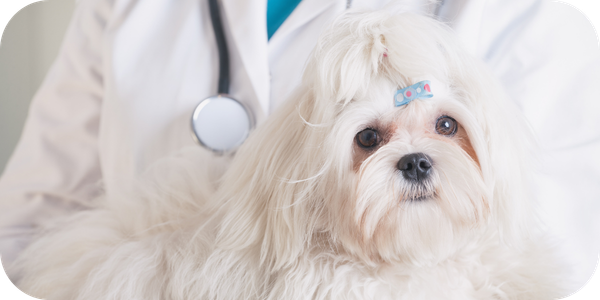
Toast the Maltese mix was hanging out with his four-year-old human sibling (and best buddy) Sage while she ate morning tea.
When the front doorbell rang, Sage’s father, Dan, left the two companions in the living room for a minute while he went to answer the door. When he returned, he was irritated to see Toast up on the coffee table, cheekily finishing off some sultanas while Sage giggled in amusement. However, Dan’s annoyance quickly turned to worry when he remembered that grapes and sultanas can be toxic to dogs.
Dan immediately called his local veterinary hospital and explained the situation, and they recommended that he bring Toast in straight away.
When Dan, Toast and Sage arrived at the vet hospital 30 minutes later, the vet on duty Dr Lee quickly explained that grapes and sultanas are an unpredictable toxin, with some dogs appearing to be fine with them, and others developing serious kidney injury (which can be fatal) after eating just a few. Unfortunately, there is no way of predicting how an individual dog will react. He therefore recommended that the safest option was to induce vomiting in Toast, so his stomach could be cleared of as many sultanas as possible.
Dan consented to this, and Toast was whisked away to the treatment room for a dose of apomorphine, a medication that stimulates vomiting. Five minutes later, Toast looked very regretful of his life choices as he brought up all his breakfast and at least 15 sultanas. After Toast appeared to have emptied his stomach, Dr Lee gave him an anti-nausea injection.
Dan then consented for Toast to undergo an extra safety precaution: a baseline kidney blood test, which would be repeated 48 hours later to help detect any developing kidney injury. Fortunately, these blood tests were normal, and Toast did not require further treatment.
Sage and Toast still like to hang out together at morning tea time, but Dan has a new rule: no potentially canine-toxic foods allowed!
If you ever suspect that your pet has eaten something toxic, please contact our knowledgeable team or the Animal Poisons Helpline straight away for advice. |
|
|
|
|
| |
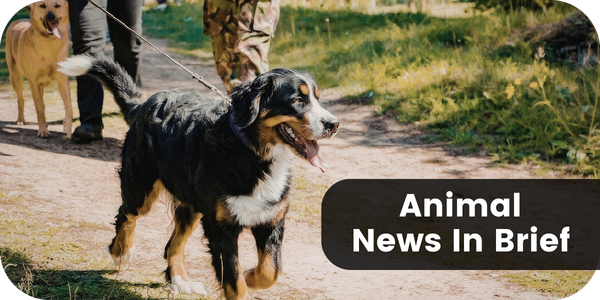
Virgin Australia is adding Adelaide to its pets-in-cabin trial, with small cats and dogs able to travel on selected Adelaide to Melbourne and Adelaide to Gold Coast flights from 23 June. Pets must stay in approved carriers under the seat throughout the flight. Read more at news.com.au.
A new national ranking has named Western Australia’s Cape to Cape route as Australia’s most pet-friendly road trip, ahead of NSW’s Grand Pacific Drive and the NSW to Queensland Pacific Coast route. The ranking looked at pet-friendly parks, beaches, accommodation and access to veterinary clinics along popular drives. Read more at news.com.au.
Do you know?
Cats have scent glands around their face, so when they rub their cheeks on you, they are marking you as familiar and safe. |
|
|
|
|
| |
Wildlife crossings show promising signs in WA
|
|
| |
|
|
| |
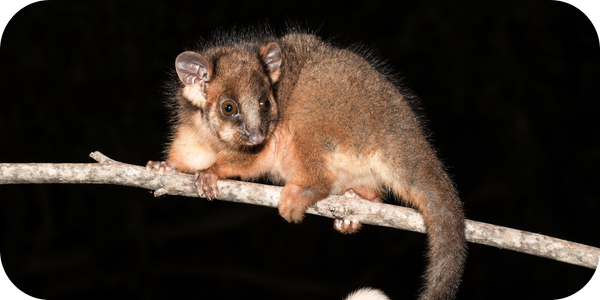
Wildlife crossings along the Wilman Wadandi Highway in Western Australia are showing promising early results. Motion-sensor cameras have recorded native animals using rope bridges, underpasses and land bridges, including western ringtail possums, common brushtail possums and brush-tailed phascogales. A more detailed report is still being prepared, but early monitoring suggests these crossings may help animals move more safely through the landscape. Read more at ABC News. |
|
|
|
| |
This email contains comments of a general nature only and is not intended to be a substitute for professional veterinary advice. Please always consult your vet for specific advice on your pet's individual needs.
All content © Petpack 2026 |
|
|
|
[Footer]
|