| |
|
|
| |
Mira Mar Veterinary Hospital
|
|
| |
|
|
| |
|
|
| |
|
|
|
|
|
| |
August is Dental Month!
|
|
| |
|
|
| |
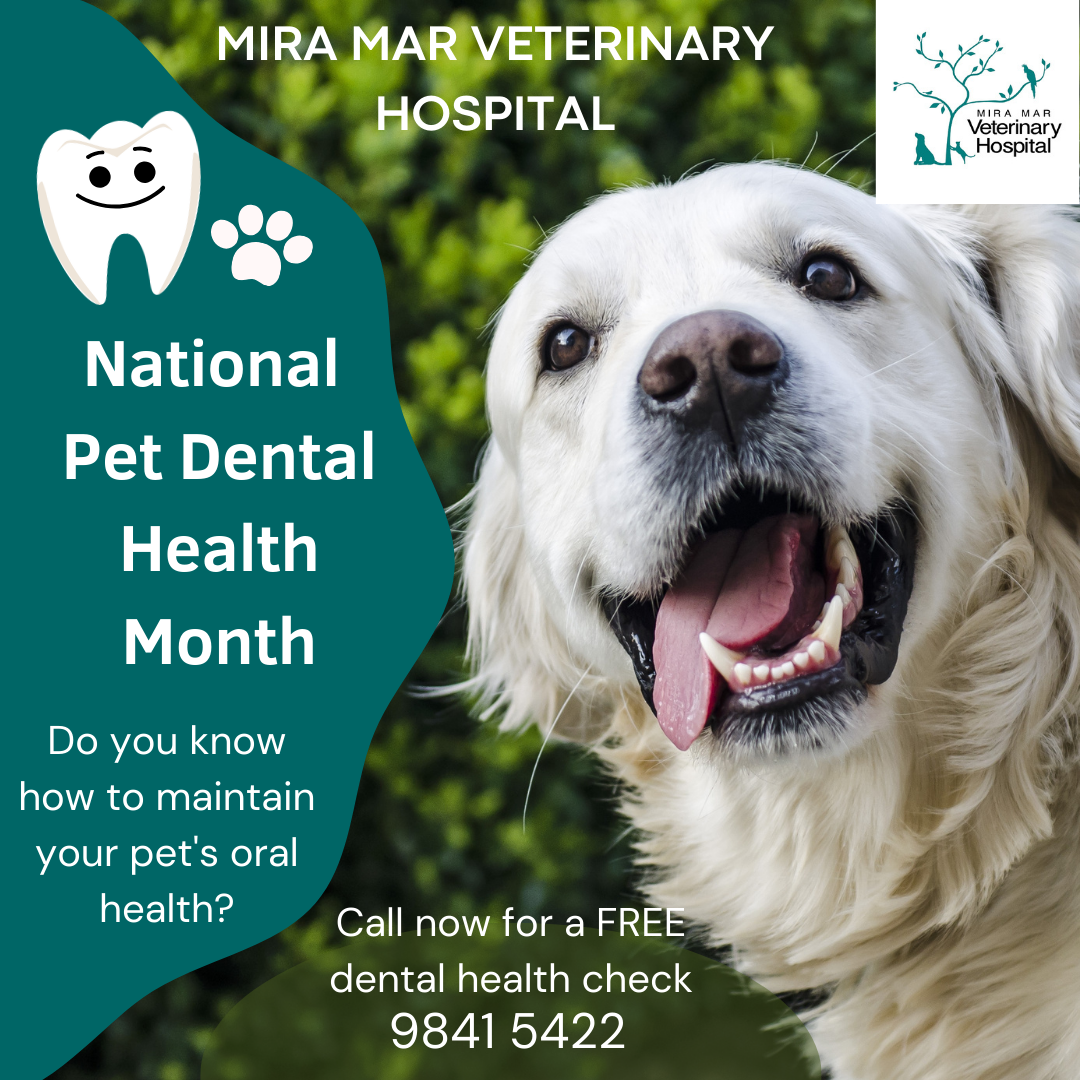
Once again, August is National Pet Dental Health Month!
So in our newsletter this month, be prepared to read some great articles on dental care and oral health in your pets.
We hope you enjoy reading it, and learn something too! |
|
|
|

|
| |
July Puppy Preschool
|
|
| |
|
|
| |
Our latest puppy preschool class were such little cuties!
Congratulations to Beetle (not pictured) Daisy, Millie, Otto, Pixie, Sasha and Walter on learning some new socialisation skills and being such good doggos!
If you think your puppy would like to meet some similar aged friends and learn to love coming to the clinic, then please call us on 98415422 to get more information. |
|
| |
|
|
| |
CALL NOW
|
|
|
|
|
| |
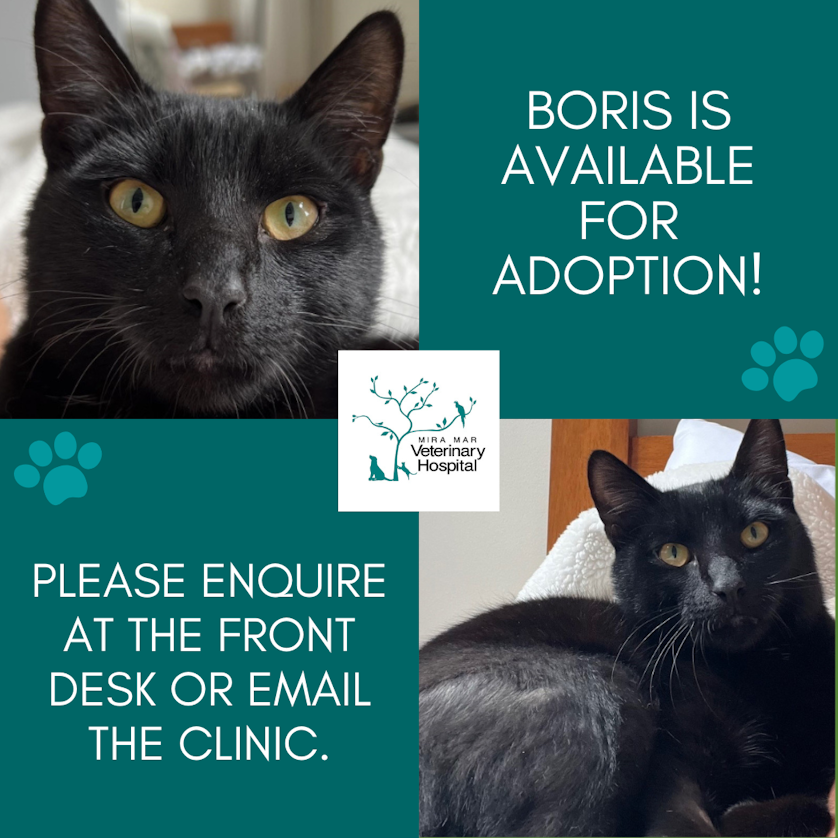
Can you adopt Boris?
|
|
| |
|
|
| |
Boris is an 8-month-old desexed male domestic short haired cat.
He has been micro-chipped, vaccinated, worm / flea treated and is FeLV / FIV negative
- Boris first visited us at the clinic with a broken leg, which we performed surgery on in May. He is healing well, is almost at the end of his recovery period and will be available from August onwards.
- To avoid any future incidents or set-backs, Boris would ideally go to a home who will keep him safe as an indoor-only cat.
- He gets along well with gentle dogs and can be trialed with young playful cats, but we think he would thrive in a household without other cats.
- He is cheeky and playful and loves all kinds of toys – the more the better!
- He is very affectionate and would love to spend each day cuddled up with someone, purring in their ear
If you think you know a loving family who would be suitable for Boris, please talk to our lovely staff during your next visit or contact us via email on admin@miramarvet.com.au
$200 adoption fee |
|
| |
|
|
| |
Contact Us
|
|
|
|
|
| |
NATIONAL PET DENTAL HEALTH MONTH
|
|
| |
|
|
| |
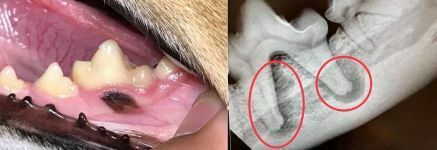
Dental disease is the most common issue we find when we examine your pets. Did you know that 70% of dogs and 80% of cats over 3 years have evidence of dental disease?
And did you also know that Mira Mar Vets has the most up-to-date dental equipment in the Great Southern region? Dental x-rays are included as part of the service for ALL animals undergoing a dental procedure at Mira Mar Vets. This means we have accurate information about the state of your pet’s tooth roots - so all diseased teeth can be identified, but also so no teeth are extracted unnecessarily. A lot of dental disease occurs BELOW the gum line, so dental x-rays are necessary to detect a problem before it becomes obvious by looking in the mouth.
For the month of AUGUST at Mira Mar Vets, any pet, young or old, can get a FREE dental health check with one of our qualified veterinary nurses to assess the state of your pet's teeth. We will also have some dental health goodies to give away, as well as a great offer of $20 OFF YOUR FIRST BAG OF DELICATE CARE DENTAL FOOD! Delicate Care™ Dental Diet for Dogs is specially formulated to provide complete and balanced nutrition for dogs of all life stages, while at the same time promoting dental health.
Please contact our friendly team to book your pet's FREE dental check! |
|
| |
|
|
| |
CALL NOW
|
|
|
|
|
| |
5 reasons for bad breath in cats
|
|
| |
|
|
| |
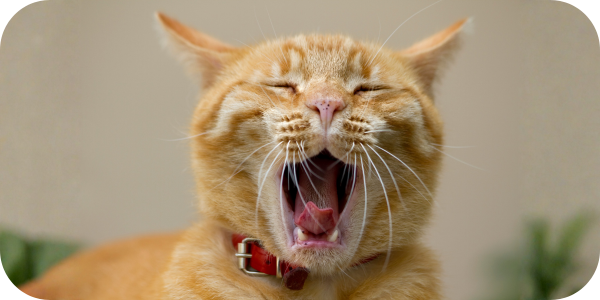
While most cases of bad breath in cats are secondary to dental disease, there are other health issues that can cause unpleasant oral odours too.
Here’s a run-down of some of the more common reasons for whiffy breath in our feline friends.
1. Dental disease
Dental disease is extremely common in cats, with between 50 and 90% of cats four years old and older suffering from some form of it.
Early dental disease starts with gingivitis (gum inflammation) which is reversible with prompt dental treatment. More advanced dental disease involves a progression to periodontitis, where inflammation and infection cause permanent damage to the tissues that attach the affected teeth to the jaws.
2. Kidney disease
Chronic kidney disease affects up to 40% of cats over the age of ten. In advanced kidney disease, the build-up of waste products in the blood can cause oral odours due to the development of mouth ulcers (which can become infected) and the release of ammonia on the breath.
3. Oral masses
Oral tumours can develop on the gums or the palate, and unfortunately in cats will tend to invade the surrounding tissues. Early detection leads to better outcomes for affected pets.
4. Gingivostomatitis
This is an extreme form of oral inflammation that affects the gums, the back of the throat and under the tongue. Unfortunately, it is a chronic condition and very painful for affected cats, so requires intensive treatment with multiple extractions and sometimes also longer-term medical therapy.
5. Diabetes
Diabetic cats who are poorly controlled or become unwell can develop elevated levels of ketones (an emergency energy source made from fat) in their bodies. This causes a distinctive acetone smell on their breath.
The good news is that you can help prevent serious issues in your cat with:
- Regular health checks every 12 months for cats up to 8 years old and then every 6 months for older cats
- Prompt rechecks if ever you notice a bad smell from your cat’s mouth, or any other symptoms of unwellness
|
|
|
|
| |
Myth-busting pet dental hygiene
|
|
| |
|
|
| |
Myth: It’s not that important for dogs and cats to have clean teeth.
Here’s more information about dental hygiene in dogs and cats, and why it’s best for your pet’s quality of life and general health to have a solid dental hygiene maintenance routine in place early on.
What is dental disease, and why is it important to prevent it?
Dental disease is caused by the gradual build-up of plaque and tartar on your pet’s teeth, which traps bacteria around the gumline and tooth roots, triggering inflammation.
Early dental disease appears as reversible gingivitis (gum inflammation), but if left untreated, will progress to periodontitis. Periodontitis involves more significant inflammation and infection that cause pain, and damages the tooth roots, their attachments within the jaw, and the jaw bones themselves. Bacteria from an infected mouth can also enter the bloodstream and affect the health of other organs such as the heart.
What symptoms does dental disease cause?
The most common sign of dental disease that owners note is bad breath. However, if the pet’s mouth is examined, other symptoms will be seen which (depending on their stage of dental disease) can include:
- Gum redness
- Whitish gooey film (plaque) or hardened brown deposits (tartar) on teeth
- Cloudy, smelly saliva
- Bleeding or ulcerated areas of gum
- Exposure of tooth roots
- Loose teeth
How can significant dental disease be prevented?
You can help to maintain good dental health and comfort in your pet with:
- Daily dental hygiene measures – for personalised advice on easy and effective options for your pet, consult our friendly vets!
- Regular dental health checks – at least once yearly for pets up to 8 years old, and then ideally every 6 months thereafter.
- As much as is possible, booking your pet for dental cleaning procedures when recommended by our diligent vets.
For more information, please don’t hesitate to reach out to our team. |
|
|
|
|
| |
The root of the problem
|
|
| |
|
|
| |
The case, pets, and veterinary professionals in this article are fictional and used for educational purposes only.
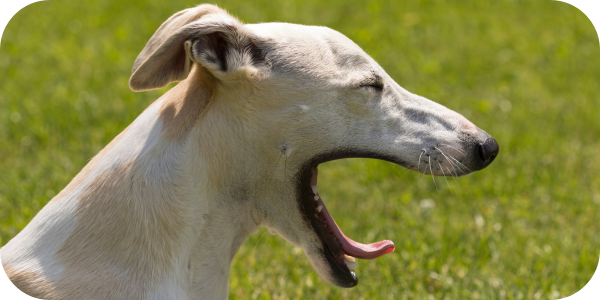
Benjamin the 10-year-old whippet was left in the care of his 20-year-old human brother over a weekend while their parents Anna and Tom went away for the night.
As usual, Benjamin seemed to spend most of the weekend snoozing on the couch, while his brother was out working or socialising.
When Anna and Tom returned home, they were startled to see that Benjamin had a semi-closed right eye and painful swelling of his entire right cheek, which they hadn’t noted before their trip. They wondered if Benjamin had been stung by an insect (as he had a doggy-door to pop out into the backyard as he pleased), so phoned their regular veterinary clinic to make a booking for that day.
At the veterinary appointment, the source of Benjamin’s facial swelling was rapidly ascertained. Benjamin had significant dental disease, and had now developed a small opening in the inflamed gum, just above one of his right upper molars, that was draining pus - this was consistent with him having developed a tooth root abscess.
Tom and Anna guiltily remembered that at Benjamin’s last vaccination appointment seven months ago, he had been recommended that he be booked in for another dental clean. Unfortunately, in the busy rush of life, they had put off making the booking and then eventually forgotten.
Benjamin was started on pain relief and antibiotics and booked in for a dental procedure under anaesthesia a few days later. His pre-anaesthetic blood tests showed no concerns, and all went smoothly. He ended up requiring five extractions, including the main problem tooth.
Benjamin was sent home with another 5 days of medications, and a recommendation for a soft food diet for the next 2 weeks to allow his gums to heal. He recovered well and seems happy and comfortable again (with better breath!), though continues to spend most of his days being a couch potato. |
|
|
|
|
Your pet should be fine after tooth extractions. Here’s why
|
|
|
| |
We get it - hearing that your pet needs to undergo a tooth extraction (or even multiple extractions) can be concerning.
To help set your mind at ease, we’ve compiled a list of reasons as to why dental extractions aren’t something to feel overly stressed about.
We don’t remove teeth unnecessarily
Rest assured that we will only recommend removal of a tooth if it’s already wobbly (in which case, it’s a “no brainer”!), or if we think that your pet will be genuinely better off without it, i.e. the tooth is irreparably damaged and will cause ongoing problems or chronic pain.
We give your pet multi-modal pain relief
Pets undergoing dental extractions receive multi-modal pain relief, which involves the administration of multiple forms of pain relief to help block pain signals in different ways. A common protocol involves opioid pain relief in the pet’s pre-anaesthetic sedative cocktail, numbing local nerve blocks under anaesthesia, and then anti-inflammatory pain relief for them to go home with. |
|
|
| |
This combined pain relief ensures that any discomfort will be minimised. In fact, owners are often pleasantly surprised at just how quickly their pet recovers after extractions!
Domestic cats and dogs don’t need a full set of teeth
Your pet isn’t a wild animal that needs to capture, kill and dismember prey to survive. Pets fed standard commercial or home-made diets usually eat just fine, even if they end up with very few teeth.
Your pet doesn’t care how they look, only how they feel
Yes, your pet may end up with a bit of a gummier smile. However, the relief from chronic infection and pain that is achieved through appropriate dental care will help to ensure their best comfort and quality of life.
As is often the case, however, prevention is always better than cure. A consistent dental hygiene maintenance routine started early on will reduce or even eliminate the need for extractions in your pet – hooray! For personalised advice on how to maintain your pet’s best dental health, book a dental health assessment with one of our knowledgeable vets. |
|
|
|
|
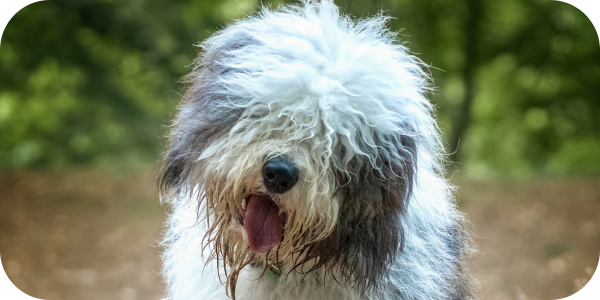
|
| |
Idiopathic vestibular disease
|
|
| |
|
|
| |
Have you heard of idiopathic vestibular disease? This issue occurs most commonly in older dogs and can result in the sudden onset of rather alarming-looking symptoms.
Here’s more about idiopathic vestibular disease, and what to do if your pet shows similar issues.
What is idiopathic vestibular disease?
Also commonly called geriatric vestibular disease, this syndrome involves the sudden onset of vestibular disease symptoms. The vestibular system is responsible for maintaining normal balance, and consists of the inner and middle ear and certain nerves and areas of the brain. When a component of the vestibular system is disrupted, the pet will feel constantly dizzy and off balance, like vertigo in people.
It’s important to realise that there are other causes of vestibular disease in pets, such as middle/inner ear infections, tumours or trauma. Idiopathic vestibular disease is diagnosed when a pet shows vestibular symptoms with no obvious underlying cause.
What symptoms does idiopathic vestibular disease cause?
Affected dogs will show the sudden onset of symptoms including:
- A head tilt to one side
- Uncontrollable, rhythmic jerking eye movements called nystagmus
- Being off balance, which may make them fall/roll over in one direction, or become completely unable to stand or walk
- Symptoms of nausea, such as abnormal drooling, inappetence or vomiting.
Can pets with idiopathic vestibular disease be treated?
Dogs with idiopathic vestibular disease can’t be specifically treated, although they can be supported with medications to relieve nausea and distress, and good nursing to ensure they can rest comfortably and safely, maintain hydration, and are able to toilet sufficiently and stay clean.
The good news is that with idiopathic vestibular disease, the dog’s symptoms will usually start to gradually resolve on their own over a few days to a few weeks (although some pets will retain a long-term head tilt).
If you notice any sudden weakness or wobbliness in your dog or cat, it’s always safest to reach out to our team immediately for help, so that your pet can receive the correct diagnosis and treatment ASAP. |
|
|
|
|
| |
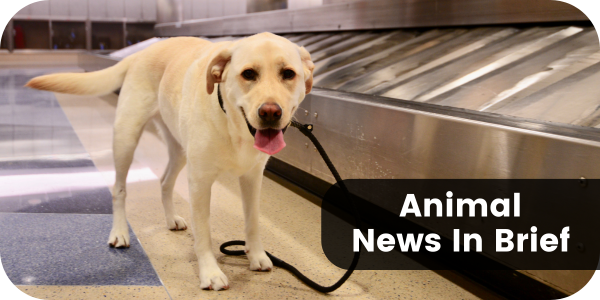
Therapy dogs are visiting Brisbane Airport to help travellers and staff feel calmer before flights, while puppies in training gain valuable experience in a busy public setting. Read more at Brisbane Airport.
Greyhounds have become the models at a Melbourne life-drawing class, giving artists a playful challenge while raising support for greyhound rehoming. Read more at The Guardian.
Do you know?
Dogs smell in “stereo” - each nostril samples scents separately, helping them pinpoint which direction a smell is coming from. |
|
|
|
|
| |
Tracking technology supports koala recovery
|
|
| |
|
|
| |
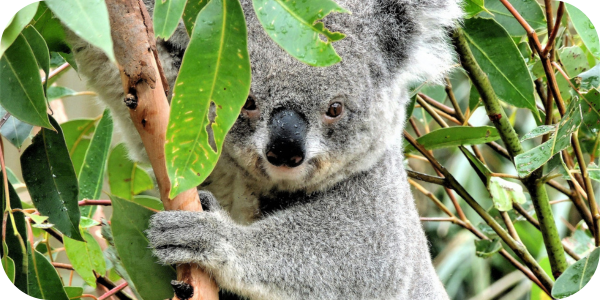
Researchers are using thermal drones and lightweight solar-powered tracking collars to locate koalas and monitor their movements across south-east Queensland. At the Brisbane Koala Bushlands in Burbank, the technology helps wildlife teams quickly find and treat sick animals while supporting the release of healthy young koalas. The 18-month conservation program has already resulted in the birth of two joeys, providing an encouraging sign for the local population. Read more at ABC News. |
|
|
|
| |
This email contains comments of a general nature only and is not intended to be a substitute for professional veterinary advice. Please always consult your vet for specific advice on your pet's individual needs.
All content © Petpack 2026 |
|
|
|
[Footer]
|