| |
|
|
| |
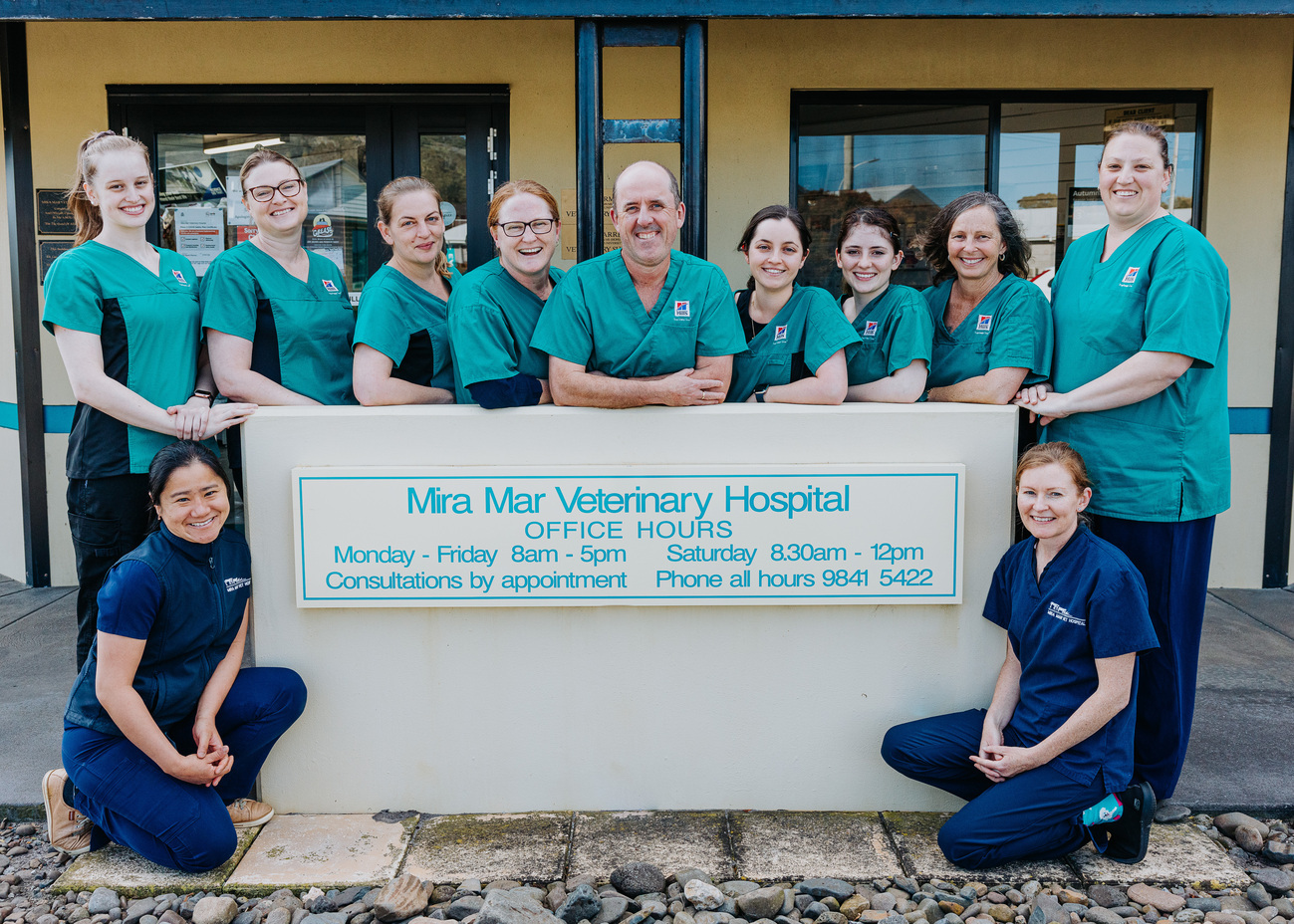
Mira Mar Veterinary Hospital
|
|
| |
|
|
| |
|
|
| |
|
|
|
|

|
| |
Spring has sprung!
|
|
| |
|
|
| |
It's September and our latest newsletter has just been released!
This episode is all about the allergies and other issues we see with the change of season to Spring. Our thoughts and prayers go out to all of those allergic pets and people in the Albany area, it's can be a challenging time of year!
We hope you enjoy it. |
|
|
|

|
| |
August Puppy Preschool
|
|
| |
|
|
| |
How cute are these little guys?
Congratulations to our latest bunch of Puppy Preschool graduates: Bear, Bilbo, Billy, Peggy and Sonny.
Our Puppy Preschool course runs once a week for four weeks, and focuses on socialisation and healthy play habits, with a little bit of manners as well!
If you think your puppy would like to join our next class, please give our friendly team a call on 98415422. |
|
| |
|
|
| |
Call Now
|
|
|
|

|
| |
Why is my pet so itchy?
|
|
| |
|
|
| |
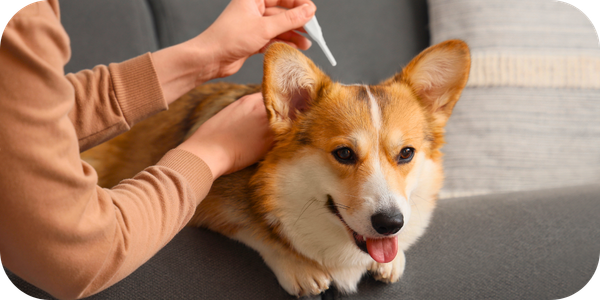
If your pet frequently gets a red, itchy tummy, licks at their paws a lot, or develops recurrent ear infections or scabby skin patches, it can be frustrating trying to work out what is triggering their issue and how to get them some relief.
Here’s more information about potential skin allergy triggers in dogs and cats, and how we can help solve your pet’s itchy issue.
What can trigger skin allergies in dogs and cats?
There are four types of allergies that we see in pets:
- Atopy: this is an allergy to certain airborne particles. Common causes include grass and tree pollens, dust mites and mould spores.
- Flea allergy dermatitis: this is an allergy to the proteins in flea saliva, meaning that even one little flea bite can trigger severe itching.
- Food allergy: this is an allergy to certain food proteins, such as beef, dairy, chicken and wheat. Pets tend to develop these allergies over time, so often have not undergone an associated dietary change to trigger the issue as many owners expect.
- Contact allergy: this is an allergy that is triggered by the direct contact of a particular substance with the skin. Common contact allergens in Australia are ground plants such as “Wandering Trad” and “Moses-in-a-cradle” and grasses such as Kikuyu, Couch and Buffalo; however, certain household chemicals can also act as triggers.
Some unlucky pets can be affected by more than one type of allergy at once, which can make diagnosis and control of their issue a little trickier!
How can our team help?
If your pet shows similar symptoms of recurrent skin or ear irritation, we’d recommend booking them for a consultation with one of our helpful vets. We will collect a full history, examine your pet thoroughly, make recommendations on how to settle their current irritation, and then will be able to work with you on longer-term treatment trials and management strategies to help your pet love the skin they’re in! |
|
|
|
| |
Four surprising flea facts
|
|
| |
|
|
| |
Despite the availability of many easy and effective parasite control treatments nowadays, we still do see dogs and cats with skin issues caused by fleas. Here are four useful facts about fleas to help you keep these pesky critters at bay in your household!
1. Some pets are more affected by fleas
While some pets will show little to no visible symptoms despite having a large burden of fleas, others can develop significant, long-lasting skin reactions from just one or two bites, because they have developed an allergy to the proteins in flea saliva known as FAD (flea allergy dermatitis).
2. A female flea can lay up to 50 eggs per day
When fleas jump onto your dog or cat, they will consume a blood meal, start breeding, and begin to produce eggs 24-48 hours later. They can then survive up to 100 days on your pet, feeding on your pet’s blood and producing more rounds of eggs, which will scatter around your home and garden – yuck!
3. Pupae (flea cocoons) can lie dormant for long periods
As part of the flea lifecycle, immature larvae will spin cocoons (inside which they will develop into adult fleas). These fleas can lie dormant in their cocoons for weeks to months until the time is right to hatch, and can survive winter temperatures and insecticide spray treatments.
4. FAD tends to cause distinctive symptoms
Pets with FAD develop intense itching after just one or two bites, which triggers lots of scratching and eventually, areas of hair loss, raw or scabby skin patches, and, often, secondary infection.
Dogs with FAD tend to develop irritation mostly around their rump and back legs, whilst cats can show symptoms such as:
- Miliary dermatitis (tiny scabby bumps, often around their head, neck and back)
- Hair loss on their belly, inner thighs and lower back
- The development of allergic ulcers around their lips, mouth or skin
Suspect fleas on your pet? Consult our knowledgeable team for advice on treatment and prevention! |
|
|
|
|
Irritating ear issues: What can help?
|
|
|
| |
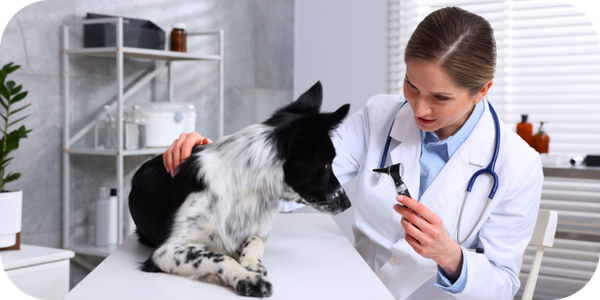
Recurrent ear infection issues can be very frustrating for owners to manage, let alone painful for the poor pet. But don’t worry, there’s more that we can offer for long-term relief!
The first step for managing problematic ears is treating any active infection. Once your pet’s ears get the “all-clear”, our vets can then implement longer-term management options, such as:
- Hypoallergenic dietary trials
In many cases, recurrent ear infections have an underlying allergic trigger, one of which could be a food allergy – a developed allergy to particular proteins.
As part of an allergy assessment for your pet, we will often recommend starting with a strict, veterinary-supervised hypoallergenic dietary trial, to see if eliminating the proteins that your pet has previously been eating leads to an improvement.
If your pet doesn’t improve with a hypoallergenic dietary trial, we will then consider potential atopy – an allergy to certain airborne particles, such as tree or grass pollens, mould spores or dust mites. |
|
|
| |
Management of atopy can involve either long-term medications to help control your pet’s inflammatory responses, or referral to a specialist dermatologist for potential immunotherapy (allergy “vaccines” to eventually help reduce your pet’s allergic response).
- Flushing under general anaesthetic
Chronically or severely irritated ears can become clogged with discharge. If not cleared, this debris can prevent topical ear treatments from working effectively.
In some cases, we may recommend a procedure under anaesthesia to properly clean out your pet’s ears and check their eardrums for infection-related damage.
Ear canals that have become irreparably damaged, thickened and blocked due to recurrent infections may sometimes require surgery to open them up again, so they can aerate properly.
If your pet suffers from frequent ear problems, please reach out to our vets for long-term solutions. |
|
|
|
|
|
| |
Cats and toxoplasmosis: What’s the risk?
|
|
| |
|
|
| |
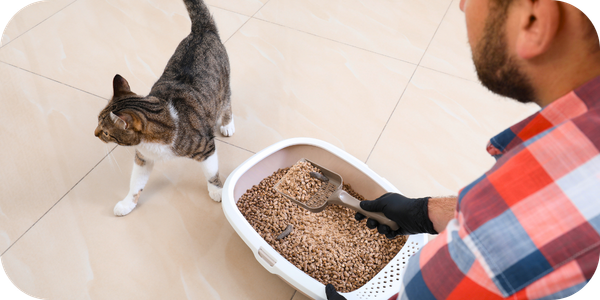
Do you know why pregnant women are sometimes advised against cleaning out cat litter trays?
It’s because cats can be a potential source of Toxoplasma infection, a disease which can pose a risk to people. However, there is a lot of misunderstanding around this disease, so let’s clarify some of the facts.
What is toxoplasmosis?
Toxoplasmosis is the infectious disease caused by a parasite called Toxoplasma gondii. It rarely causes sickness in healthy cats, but may cause illness in kittens or cats with reduced immunity due to diseases such as FIV or FeLV.
In people with normal immunity, toxoplasmosis usually causes no obvious issues or mild, flu-like symptoms. However, in people with reduced immunity, such as pregnant people, babies, and immunosuppressed people (e.g. people undergoing chemotherapy), toxoplasmosis can cause significant illness.
What causes toxoplasmosis?
If a cat eats toxoplasmosis-infected wildlife or raw meat, they will temporarily shed oocysts (parasite eggs) in their poo for up to two weeks. Once the oocysts are pooed out, they require 1-5 days (depending on environmental conditions) to become actively infectious. If an owner cleans out a litter tray containing infectious oocysts without using proper hygiene practices, they can potentially transfer oocysts into their mouth and become infected.
However, it’s important to note that most human Toxoplasma infections occur when people eat undercooked, contaminated meat, fruit or vegetables, play in contaminated sandpits, or garden in contaminated soil without wearing gloves or washing their hands afterwards.
“I have a cat – what should I do to reduce my risk of infection from their poo?”
If you have a cat, ensure you scoop faeces out of their tray daily (wearing gloves and washing your hands afterwards), and scrub out your cat’s tray 1-2 times weekly with boiling water and a cat-safe detergent. It’s also safest not to feed your cat a raw diet. Cats do not usually carry the parasite on their fur, so it’s rare for a human to become infected from general interactions.
It’s also recommended to have a chat with your health professional to assess and minimise your personal risk, particularly if you are planning to become pregnant or are otherwise immunocompromised.
For more information on infectious disease safety with pets, consult our knowledgeable team. |
|
|
|

|
| |
Ernie’s ears: More than dry skin
|
|
| |
|
|
| |
The case, pets, and veterinary professionals in this article are fictional and used for educational purposes only.
Ernie the Dachshund had beautifully shiny, smooth ears that his owner Renae loved to stroke. Therefore, Renae noticed quickly when Ernie’s ears started to feel strangely crusty at the tips. Thinking Ernie might have accumulated some dried food residue on his ears, Renae used a warm wet cloth to clean them, and realised that the crusts were actually scabs, which lifted off to reveal patchy raw skin irritation beneath.
Renae left Ernie’s ears alone to heal and kept an eye on them - a process Ernie complicated by intermittently scratching at his ears, making them ooze blood until Renae (much to Ernie’s displeasure) placed a bucket collar on him.
After several weeks, however, Ernie’s ears still seemed to be getting worse, so Renae booked a consultation at their local veterinary clinic.
The vet examined Ernie’s ear canals and the rest of his skin, which otherwise looked in good condition, and then took some samples from Ernie’s ears for examination under the microscope. This ruled out any obvious ear infection or parasitic causes such as skin mites (not a surprise given Ernie’s good parasite control history).
Ernie was sent home with topical anti-inflammatory treatment, but unfortunately, this didn’t seem to help. At the recommendation of the vet, Ernie then underwent some general health checks including blood and urine tests (which showed no abnormalities) and was booked for a short anaesthetic and biopsy sample collection from his affected ear tips.
Ernie’s biopsy results indicated that he was suffering from a condition called Pinnal Vasculitis, where a hypersensitivity (allergic) response causes damage to the small blood vessels in the ears. No obvious underlying trigger was found, so it was deemed idiopathic (of unknown cause).
Fortunately, Ernie responded well to a medication called pentoxifylline, which helped improve blood flow to the damaged ear tips, allowing them to repair before too much damage was done.
If you notice any skin lesions on your pet, book a consultation with one of our vets to get the skinny on your pet’s problem! |
|
|
|

|
| |
Nearly 300 golden retrievers from around Australia gathered in South Australia’s Barossa Valley for the 13th Golden Retriever National, competing in obedience and conformation events. Read more at ABC News.
Pet dogs of all breeds are learning scent-training skills to find black truffles, giving owners a fun new way to build teamwork and keep their dogs engaged. Read more at ABC News.
Do you know?
Cats, dogs, rabbits and many birds have a third eyelid that helps protect the eye and keep it moist. |
|
|
|
|
| |
Island release gives endangered skinks new hope
|
|
| |
|
|
| |
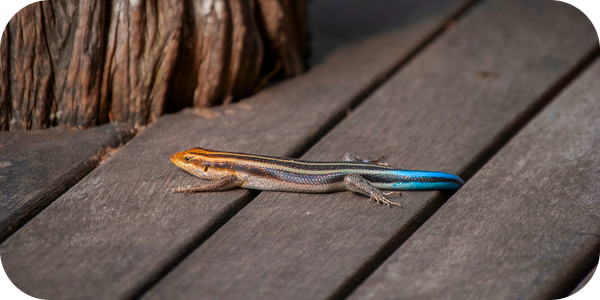
More than 500 critically endangered blue-tailed skinks have been released on Horsburgh Island in the Cocos (Keeling) Islands. Introduced wolf snakes almost wiped out the species on Christmas Island, but captive breeding and earlier island releases have helped rebuild its numbers. With more space and freedom from the introduced predators that threatened them, Horsburgh Island could support a large new population and strengthen the species’ chances of survival. Read more at ABC News. |
|
|
|
| |
This email contains comments of a general nature only and is not intended to be a substitute for professional veterinary advice. Please always consult your vet for specific advice on your pet's individual needs.
All content © Petpack 2026 |
|
|
|
[Footer]
|