| |
|
|
| |
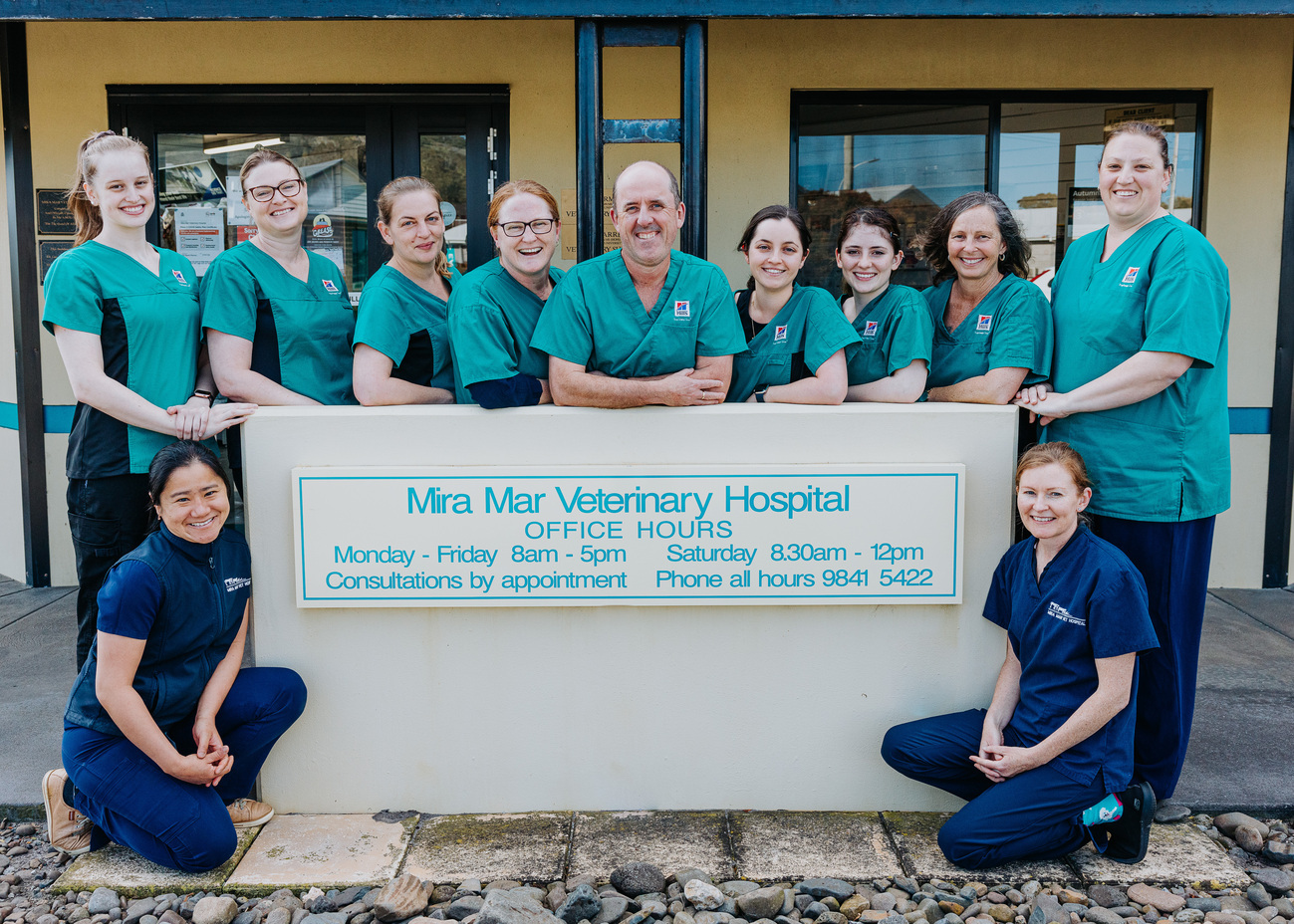
Mira Mar Veterinary Hospital
|
|
| |
|
|
| |
|
|
| |
|
|
|
|

|
| |
October Newsletter
|
|
| |
|
|
| |
Welcome to our October newsletter, and we trust you have been soaking up the slightly warmer spring weather we've been having in Albany!
We have been seeing a lot of allergic dogs already this spring (especially ear infections), and please note we have also treated a number of dogs after interactions with snakes. Be careful out there!
This newsletter covers information on diet and tummy issues in our pets, with a bonus article on H5 bird flu, as well as some of our super cute Puppy Preschool graduates.
We hope you learn something new! |
|
|
|

|
| |
September Puppy Preschool
|
|
| |
|
|
| |
Our September Puppy Preschool class was another group of cuties of course!
Congratulations to Frankie, Mav, Mushu, Odie, Sir Keith (and also Hashi and Maple not pictured) for completing the class and learning some new puppy skills!
Our Puppy Preschool course runs once a week for four weeks, with a focus on socialisation and healthy play habits, as well as a little bit of manners!
If you think your puppy would like to join our next class, please give our friendly team a call on 98415422. |
|
| |
|
|
| |
Call now
|
|
|
|
|
| |
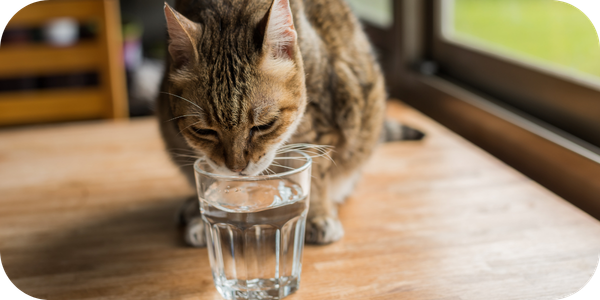
Is your cat drinking enough?
|
|
| |
|
|
| |
“You can lead a cat to water, but you can’t make it drink”
While we know that’s not the actual saying, it does ring true for many of our feline friends! This is because the ancestors of domestic cats were desert dwellers, obtaining most of their water from eating small prey. (Healthy) Domestic cats therefore retain a low thirst drive and tend to produce very concentrated urine as a way of conserving water.
Some of our feline friends, however, benefit from additional water intake, so may need some extra encouragement. Here’s a bit more on feline hydration.
Which cats may need encouragement to drink more?
As well as cats eating completely dry food (kibble) diets, cats with certain health problems may also benefit from encouraging increased water consumption. These include:
- Cats with a predisposition to cystitis (bladder inflammation)
- Cats with a history of forming bladder crystals/stones
- Cats requiring NSAIDs (non-steroidal anti-inflammatory drugs) for relief of short- or long-term pain
- Cats prone to constipation
How can cats be encouraged to drink more?
Owners can gradually make dietary or environmental adjustments to help encourage their cat to consume more water.
Depending on your cat’s preferences and their particular issue, options include:
- A transition to a partially or fully wet food diet
- Offering water in a shallow, wide bowl, with many cats preferring those made of glass or ceramic
- Setting up a feline water fountain
- Having one water bowl per cat in the household, plus one spare (to reduce competition), and ensuring there is one bowl per house level in multi-storey homes
- Trialling different water options, such as rainwater collected in an outdoor bowl or filtered water
- Offering liquid treats such as:
- Commercial lickable treats or cat “soups”
- The water drained from a springwater tuna can
- Meat broths (provided they contain no added onion or salt)
If you have noticed any changes in your cat’s thirst levels or urine quality, consult our hydration-helpful team for more advice. |
|
|
|
|
| |
Bird flu: what pet owners need to know
|
|
| |
|
|
| |
With H5 bird flu detected in wildlife across several Australian states, you might be wondering what it could mean for your pets. The risk to cats and dogs remains low, but taking a few simple precautions can help protect pets and local wildlife.
What is bird flu?
Avian influenza, commonly known as bird flu, is a viral disease that mainly affects birds. The H5 strain can cause serious illness and death in wild birds and poultry. Some mammals can also become infected.
Although infections in companion animals are uncommon, close contact with infected wildlife can increase the risk. This includes a pet eating an infected bird.
How can I protect my pets?
Keep dogs on a lead around beaches, wetlands and other areas where wildlife gathers. Prevent them from approaching, carrying or eating sick or dead animals. Cats should be kept indoors or in a secure outdoor enclosure to reduce contact with birds and other wildlife.
Keep pet food and water where wild birds cannot access them.
Pet birds and backyard poultry should be protected from wild birds, bird droppings and potentially contaminated water. Keep their feed and water covered, clean enclosures regularly, and wash your hands before and after handling birds.
What should I do if I find a sick or dead bird?
Remember: Avoid. Record. Report.
Do not touch or move the bird, and keep children and pets away. Note the date, time and location, and take a photo or video from a safe distance if possible.
Report it to the 24-hour Emergency Animal Disease Hotline on 1800 675 888 and follow the instructions provided.
If your pet has touched or eaten a dead bird, monitor them closely. Contact your vet if you are concerned or if your pet becomes unwell, particularly if you notice unusual behaviour, reduced eating or drinking, or breathing difficulties.
If a pet bird or backyard chicken becomes unwell or dies unexpectedly, isolate it from other birds and call your vet and the Emergency Animal Disease Hotline (1800 675 888) before moving the bird. |
|
|
|

|
| |
Gut health 101
|
|
| |
|
|
| |
Just like in people, a happy gut is important for helping to maintain your pet’s general health and quality of life.
Here are our team’s top tips for supporting your pet’s tummy on a day-to-day basis.
Picking the right diet
For every dog and cat, a complete and balanced diet that is appropriate for their life stage is a must. Other than that, there is no one fits all!
Some pets with “cast iron stomachs” can eat anything from kibble to tinned food to (non-toxic) table scraps, while others may require dietary stability, an easily digestible or reduced-fat diet for a sensitive stomach, or even a prescription hypoallergenic or restricted-protein diet.
For a discussion of the pros and cons of different diets, and personalised recommendations on what could be suitable for your pet, consult one of our knowledgeable vets.
Ensuring appropriate deworming
Did you know that soil sampling from public parks around Australia shows that hookworm, roundworm and whipworm are still very much about (with at least one type of parasite found in 44% of the samples)?
For this reason, we recommend keeping up with a regular deworming protocol for your pet if they go out and about. For advice on safe and effective products, consult our team.
Monitoring your pet’s gut health signs
Checking a pet’s poos is no one’s favourite job, but it can be an important indicator of their gut health, along with their appetite, their degree of “gassiness”, their weight and general condition, and other symptoms such as burping, regurgitation or vomiting.
If you think your dog or cat is showing signs of poor gut health, it’s best to book them for a check-up. We’ll be able to examine them thoroughly, collect a detailed history, and then advise you on any recommended testing, treatments or helpful supplements, such as probiotics, prebiotics, fibre supplements, and more! |
|
|
|
|
Are NSAIDs suitable for N-E-one?
|
|
|
| |
With NSAIDs (non-steroidal anti-inflammatory drugs) being a pain relief staple in the veterinary world, we thought we’d put a spotlight on these medications – what they are, what their potential benefits and side effects can be, and how we should monitor patients who are on them.
What are NSAIDs?
NSAIDs are medicines that inhibit certain inflammatory processes in the body, so can be very useful for relieving inflammation, pain and fever. Common examples used in pets include meloxicam, carprofen, and firocoxib.
Which patients can NSAIDs help?
NSAIDs can be used in the short term to relieve pain and swelling from surgical procedures (such as after a desexing procedure, dental extractions, or joint surgery) or traumatic injuries. They can also be used to reduce pain and fever due to infections.
In the long term, NSAIDs are commonly prescribed to help manage the chronic pain and inflammation associated with osteoarthritis.
When used correctly, NSAIDs can help unwell or sore patients to feel a lot better!
What are the potential side effects of NSAIDs? |
|
|
| |
Unfortunately, as well as suppressing some processes of inflammation, NSAIDs may also interfere with other processes in the body that help to maintain normal gastrointestinal, kidney and platelet (blood clotting cell) functions. While these effects are usually fairly minimal, they can cause potentially significant problems in patients:
- With sensitive tummies
- Who are dehydrated or have reduced blood flow
- Who have significant pre-existing kidney disease
- Who are taking them long term
- With pre-existing bleeding disorders
They can also have life-threateningly toxic effects on the gut, liver and kidneys if they are administered at the wrong dose.
How can we use NSAIDs safely?
Our vets will always be selective about which patients we prescribe NSAIDs to, and if we do prescribe them, we will make clear recommendations on how to monitor for any potential side effects to help minimise risks. Patients on NSAIDs in the long term are often recommended to have regular recheck blood tests.
If you suspect that your pet is ever unwell or in pain, it’s always safest to reach out to our team promptly for advice. |
|
|
|
|
|
| |
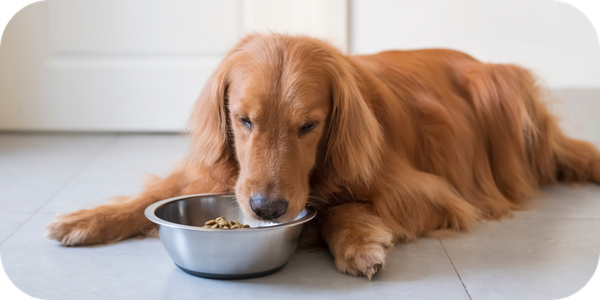
Medical meals: Can food be part of the treatment?
|
|
| |
|
|
| |
Did you know that the treatment of a chronic (long-term) health condition in a pet may not always come in the form of pills? In some pets, the cornerstone of their management may be a dietary change!
Here are three common scenarios where a prescription diet can help pets to feel better and even potentially live longer.
Food sensitivities or allergies
Unfortunately, not every pet can tolerate every diet! Pets may respond positively to a gradual transition to a prescription diet if they have a sensitive tummy or another type of digestive issue.
The best dietary option will sometimes require a bit of careful trial and error under the supervision of our knowledgeable vets, but will often involve:
- For sensitive tummies: an easily digestible diet with added prebiotics such as psyllium husk, cooked pumpkin or beet pulp
- For pancreatitis: a low-fat diet with a fat content (on a dry matter basis) below 15%, or below 8% for severe cases
- For food allergies: a hypoallergenic diet, containing either hydrolysed proteins or a single type of novel (new) protein, and easily digestible carbohydrates
Chronic kidney disease (CKD)
For pets with moderate long-term kidney disease, a switch to a prescription kidney support diet can reduce workload on their kidneys, which helps them to feel well for longer and can even help them to live longer too – wow!
Prescription kidney diets are adjusted to have:
- Lower levels of protein
- Lower levels of salt
- Lower levels of phosphate
- Supplementation of essential fatty acids such as omega-3s
Osteoarthritis
If your senior pet is above their healthiest weight and showing symptoms of osteoarthritis, a prescription diet that helps to manage their weight and contains proven anti-inflammatory supplements such as omega-3s can make a big difference to their comfort and mobility.
In fact, studies show that appropriate weight loss in an overweight patient with arthritis can significantly reduce their long-term lameness.
For more information on prescription diets for pets, consult our experienced team. |
|
|
|
|
| |
Penny’s subpar poos
|
|
| |
|
|
| |
This case study is inspired by real-life veterinary cases, with details adapted for educational purposes and to protect privacy.
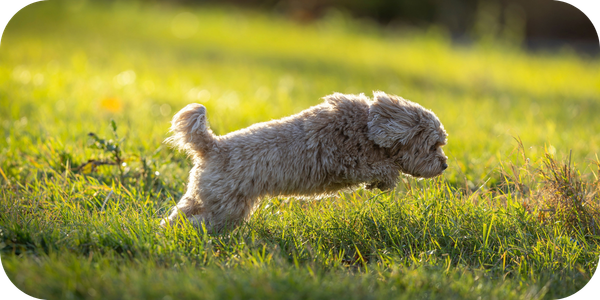
Despite being on a high-quality diet and always being up to date with her worming prevention, Penny the Cavoodle had always had a bit of a dodgy tummy. She often passed very soft poos and seemed to poo frequently, often straining to defecate multiple times within a short period, and sometimes producing only small amounts of blobby mucus. Penny was also a rather picky eater, but her owner Tegan attributed this to her being “a bit of a food snob”.
However, of late, Penny had started to have episodes where she would scratch at the back door to be let out multiple times overnight and would sometimes pass very liquid poos with a tinge of blood to them. She also seemed a bit subdued.
Tegan booked Penny for a check-up with her regular vet. After establishing that Penny appeared to be in generally good condition with no obvious triggers in her history, the vet recommended some testing for Penny. This consisted of blood tests to check her general organ function, and some additional blood tests to check her pancreas health and blood cobalamin and folate levels (two types of B vitamins that can become low in dogs with longer-term gut issues). Tegan was also advised to drop off a poo sample from Penny, so it could be tested for certain infectious causes.
All of Penny’s tests came back normal, except for low vitamin B12 levels. Penny was then started on a vitamin B12 supplement and transitioned to a strict prescription hypoallergenic dietary trial. To Tegan’s amazement, within two weeks, Penny was back to her old sprightly self, eating well, and passing the best-quality poos of her life!
Under veterinary guidance, Tegan was gradually able to reintroduce a few more foods, and Penny now enjoys her meals and all the symptoms of a happy, healthy tummy. |
|
|
|

|
| |
At 15 and 13, farm dogs Cassie and Bundy may be slowing down, but their experience still shines. Cassie guides younger dogs, while Bundy once spotted 300 missing sheep and brought them back on his own. Read more at ABC News.
Thirty-five Labradors and Golden Retrievers have graduated after nearly two years of training to become Seeing Eye Dogs, helping Australians who are blind or have low vision live more independently. Read more at Vision Australia.
Do you know?
Cats can’t taste sweetness, while dogs can, because cats lack a working sweet-taste receptor. |
|
|
|
|
| |
Rare night parrot chick boosts conservation hopes
|
|
| |
|
|
| |
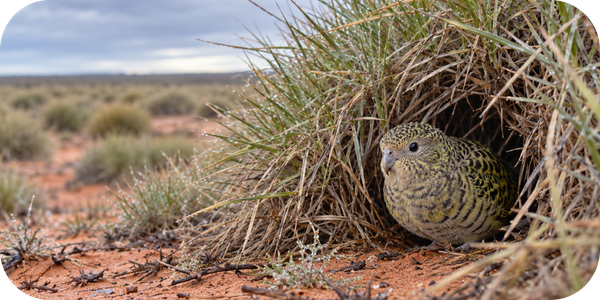
Ngururrpa Rangers have filmed a young night parrot sheltering in old-growth spinifex in Western Australia’s Great Sandy Desert. The rare daytime sighting provides encouraging evidence that this critically endangered species is breeding in the Ngururrpa Indigenous Protected Area. Rangers and scientists are combining cultural knowledge with acoustic monitoring and environmental DNA sampling to locate more birds and protect them from feral cats and unmanaged fire. Read more at ABC News. |
|
|
|
| |
This email contains comments of a general nature only and is not intended to be a substitute for professional veterinary advice. Please always consult your vet for specific advice on your pet's individual needs.
All content © Petpack 2026 |
|
|
|
[Footer]
|