| |
|
|
| |
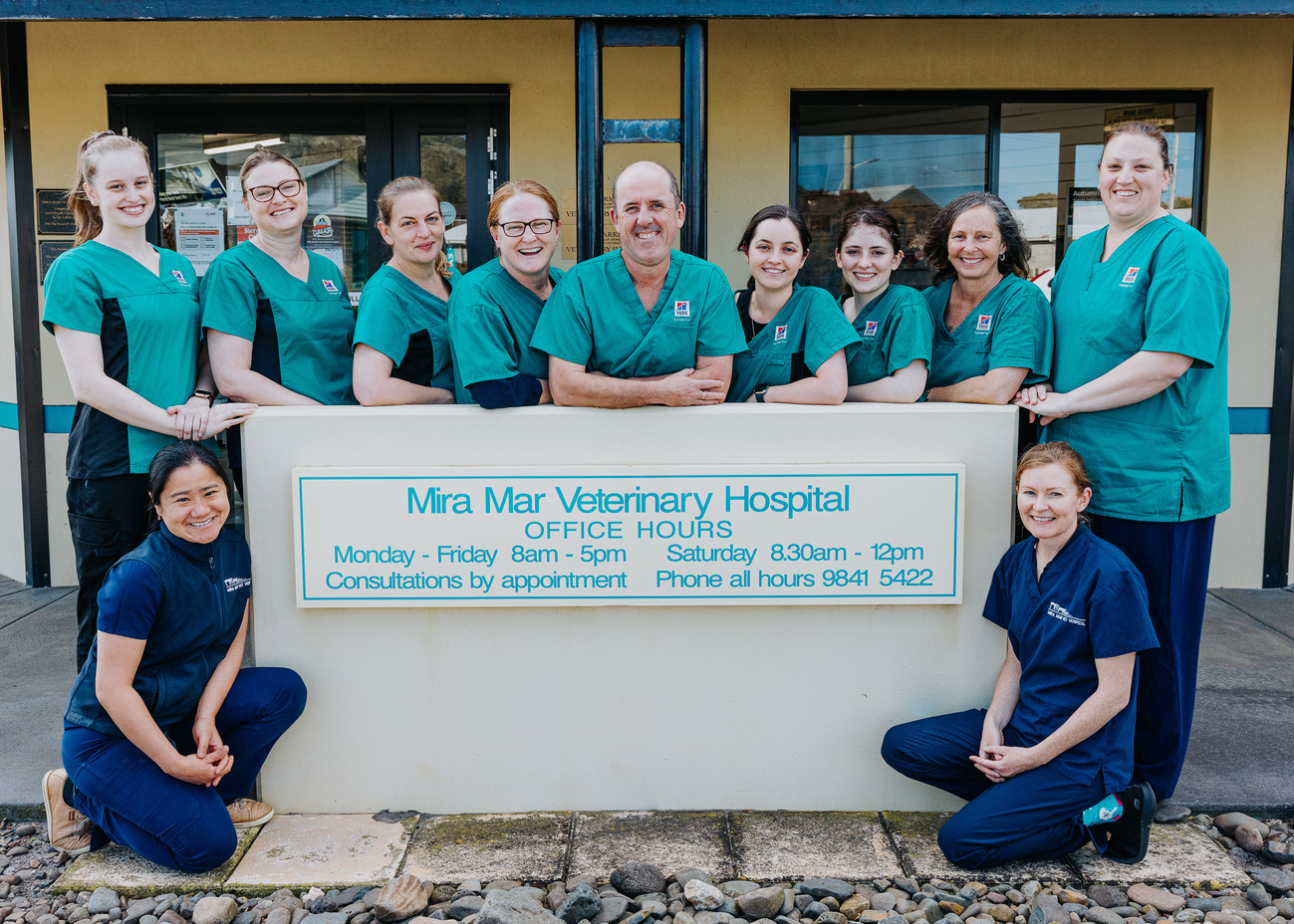
Mira Mar Veterinary Hospital
|
|
| |
|
|
| |
|
|
| |
|
|
|
|
|
| |
November Newsletter
|
|
| |
|
|
| |
Hello and welcome to November!
Spring is in full swing! 🌼
At the clinic, we're noticing an uptick in allergies (hayfever and ear infections) along with grass seed season. Plus, don’t forget about snake bites and those pesky fleas!
As the weather warms up and we start thinking about a break over the summer holiday period, this month's newsletter will help a lot with articles about what to consider for your pet! We hope you enjoy it. |
|
| |
|
|
| |
Button
|
|
|
|
|
| |
The cat versus the snake
|
|
| |
|
|
| |
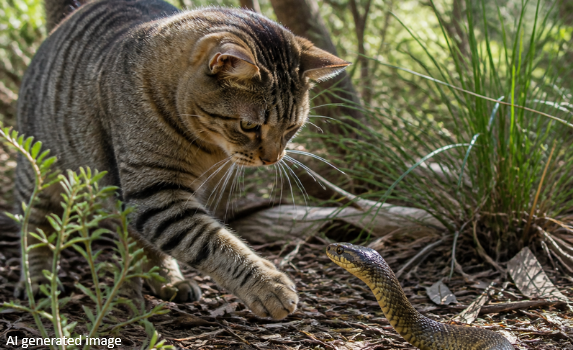
Petey is a 4-year-old cat who occasionally has a short wander outside in the mornings to see the sights and go to the toilet. One day last week after returning indoors, his owners noticed that he seemed a bit more lethargic than usual and not moving normally. After bringing him into us at Mira Mar Vets, blood tests revealed that Petey had been bitten by a snake!
Blood testing of pets where there is suspicion of a snake bite can show changes in blood clotting and muscle enzymes that are affected by the snake venom, sometimes before the pet is showing classic signs of a snake bite.
Petey's owners recalled that council workers had been slashing some long grass next to their property, so it was likely that a tiger snake was disturbed in the process, right into Petey's morning wander!
The happy ending to this story is that Petey received a dose of antivenom and fluids, spent a night in hospital flushing the venom out of his system, and went home the next day as good as new, and hopefully with a new distrust of snakes!
If you have any suspicion that your pet may have had a tangle with a snake, getting them to a vet clinic ASAP is the best way for us to hopefully intervene before they become too sick. Even better, give us a call as you are on your way so that we can be prepared for your arrival! |
|
|
|
|
| |
On the road: helping your pet travel safely and comfortably
|
|
| |
|
|
| |
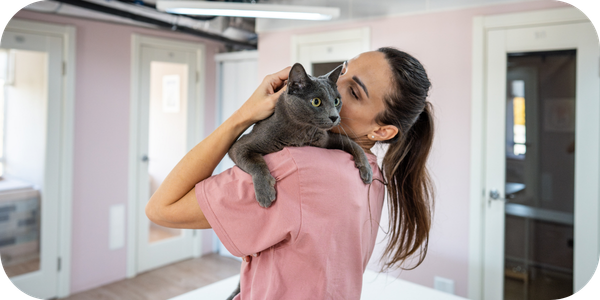
When it comes to car travel with pets, every pet parent has their own story – from the dog who loves the car, to the cat who meows the whole drive, or the drooly dog who gets carsick.
With the holidays just around the corner, here are some practical tips for easier car journeys with your pet, and when it’s best to see one of our vets for some extra support.
Making the journey easier
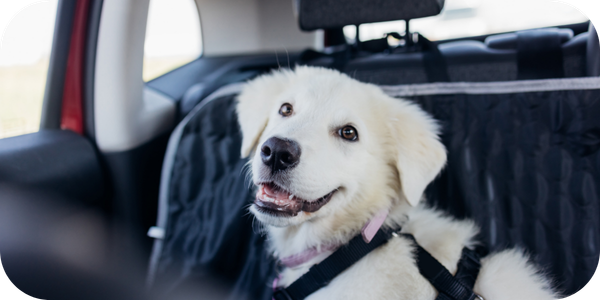
For the anxious or new pet passenger, try to get them used to the car first by introducing it as a positive experience. Let your pet sit in a parked car – dogs in their secure car harness, cats in a secure carrier (+/- a towel over the carrier to help reduce visual stimulation) – and positively reinforce the experience with their favourite toy or treat. Build upon this experience with short drives as your pet appears more comfortable. If your pet remains anxious, speak to one of our vets about options for vet-approved calming medications.
Is your pet carsick?
Does your pet seem a little off during road trips? Just like humans, our pets can also suffer from motion sickness in the car. As they can’t tell us how they’re feeling, try to monitor your pet for potential symptoms of nausea, such as:
- Lip smacking/licking
- Drooling
- Restlessness
- Whining
- Frequent yawning
- Lethargy
- Vomiting
Thankfully, a predisposition towards car sickness doesn’t have to rule out road trips for your pet! Try withholding food from them for 2-3 hours prior to car travel, as travelling on an empty tummy may resolve the issue. If their motion sickness persists, have a chat with our vets about prescription anti-nausea medication options to make the journey more comfortable for your pet.
With a little preparation, you and your pet will both be ready to hit the road for the howl-idays! |
|
|
|
|
| |
Your pet’s holiday plans: finding the right care
|
|
| |
|
|
| |
As much as it’s fun to travel with our pets, sometimes it isn’t feasible to bring them along for the trip and we need to leave them in the care of others. Luckily, there are plenty of options to help keep your pet comfortable and happy while you’re away!
Boarding facility
Dog kennels and catteries can be a great option for pets who are comfortable exploring new environments and meeting new animals and people. A quality boarding facility can even offer your pet a “holiday-like” experience with fun, interactive facilities, and services. It’s worth organising a visit beforehand to see the environment for yourself and make sure it’s the right fit for your pet.
Staying with a pet sitter
Having your pet stay at a trusted pet sitter’s home can be a good middle ground for pets who prefer a more home-like environment and routine. Make sure you plan a meet and greet before making arrangements to ensure the home environment is suitable for your pet, and check that your pet gets along with any other resident pets.
Pet sitter in your home
For pets who don’t love change and are more comfortable in their own home, you may choose to have a pet sitter care for them in your home environment. Utilising an in-home pet sitter requires a lot of trust – they are also taking care of your home after all! – but it can help your pet remain in their familiar surroundings and maintain routines while you’re away. Plus, it helps to have someone around to water any plants and check the mail.
Regardless of the option you choose, plan ahead and ask questions – your pet deserves a holiday you can both feel paw-sitive about!
If your pet has specific health or behavioural needs and you’re unsure which option may suit them, speak to our team for advice. |
|
|
|
|
Going away? Give your pet sitter the perfect handover
|
|
|
| |
Going away for the holidays but unable to bring your beloved furry family member along? Help set your mind at ease by giving your pet sitter the perfect pet-care handover!
Daily routine
With some pets loving their two walks a day and others preferring the comfort of the couch, it’s a good idea to let your pet sitter know what your pet’s daily routine looks like. This includes meal times, dietary requirements, any regular medication for health conditions, toileting routines, sleeping arrangements, and exercise requirements, so disruptions to their routine can be kept to a minimum.
Behaviour
If your pet has any significant behavioural quirks, such as thunderstorm anxiety or reactivity on a lead, it’s best to let your pet sitter know upfront and provide them with tips on how to best handle your pet during these situations. However, if it’s likely that your pet will be very anxious with you going away, we’d recommend chatting with our friendly veterinary team. A vet-approved calming supplement or prescription anxiety |
|
|
| |
medication is likely to make the experience a happier one for your pet, not to mention your pet sitter!
Emergency plan
In the event of an emergency, having pre-organised arrangements can take some of the stress out of a stressful situation. Provide your pet sitter with the following:
- Your contact details, including how you are most reachable on holidays (e.g. text vs call vs email)
- Backup contact if you are unreachable, and make sure your backup contact knows they could be contacted!
- Details for your regular vet and any permissions/instructions around veterinary care. It can be helpful to call your regular vet prior to going away, to let them know your pet is in the care of a pet sitter and discuss arrangements for emergency treatments and costs.
If you have any questions about your pet’s care with a pet sitter while you’re away, contact our friendly team for personalised advice. |
|
|
|
|
|
| |
Don’t worry, I’ll be back! Helping your pet cope while you’re away
|
|
| |
|
|
| |
Leaving for a holiday soon but leaving your pet behind? For some pets, the prolonged absence of their favourite human can be hard to understand. If your pet is likely to be anxious in your absence, it can help to have a plan in place to make your time apart a little easier for them.
Recognising the signs
Signs your pet may have separation anxiety include:
- vocalising
- pacing and restlessness
- destructive behaviour
- decreased appetite
- toileting accidents
Prepare before you leave
Do you have a velcro dog who isn’t accustomed to being left alone? If personal space isn’t in your pet’s vocabulary, it can help to start practising short periods apart before you leave. Give your pet a special toy or treat and avoid making a fuss over them as you leave. Gradually increase the duration if your pet appears comfortable.
Keep their routine familiar
Whether your pet is staying with a pet sitter or being cared for in their own home, keeping their routine as familiar as possible can help them feel more settled. It can also help to leave your pet’s items with them, such as bedding and toys, so they feel more at home in an unfamiliar environment.
When to get help
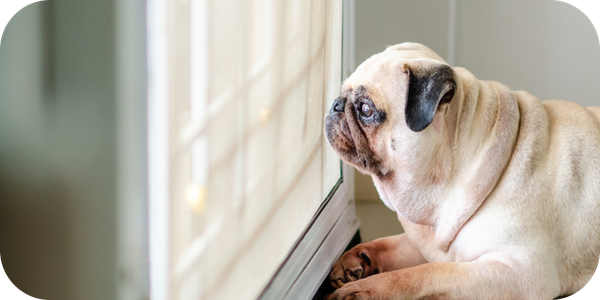
If your pet’s separation anxiety is more than just some sad eyes waiting by the door, don’t wait until you’re packing your suitcase to make a plan. Reach out to our veterinary team early for advice on managing your pet’s separation anxiety. In some cases, prescription medication may be recommended to help manage your pet’s anxiety and make your time apart more manageable for them. |
|
|
|
|
| |
At an Ararat playgroup, two-year-old therapy dog Hunny is helping nervous preschoolers feel at ease and quickly winning over the children and families she meets. Read more at ABC Listen.
Virgin Australia has expanded its pets-in-cabin service to selected Melbourne–Cairns flights, allowing more owners to travel with small cats and dogs in the cabin. Read more at Virgin Australia.
Do you know?
Cats and dogs have a hidden third eyelid in the inner corner of each eye, helping protect the eye and keep it moist. |
|
|
|
| |
This email contains comments of a general nature only and is not intended to be a substitute for professional veterinary advice. Please always consult your vet for specific advice on your pet's individual needs.
All content © Petpack 2026 |
|
|
|
[Footer]
|